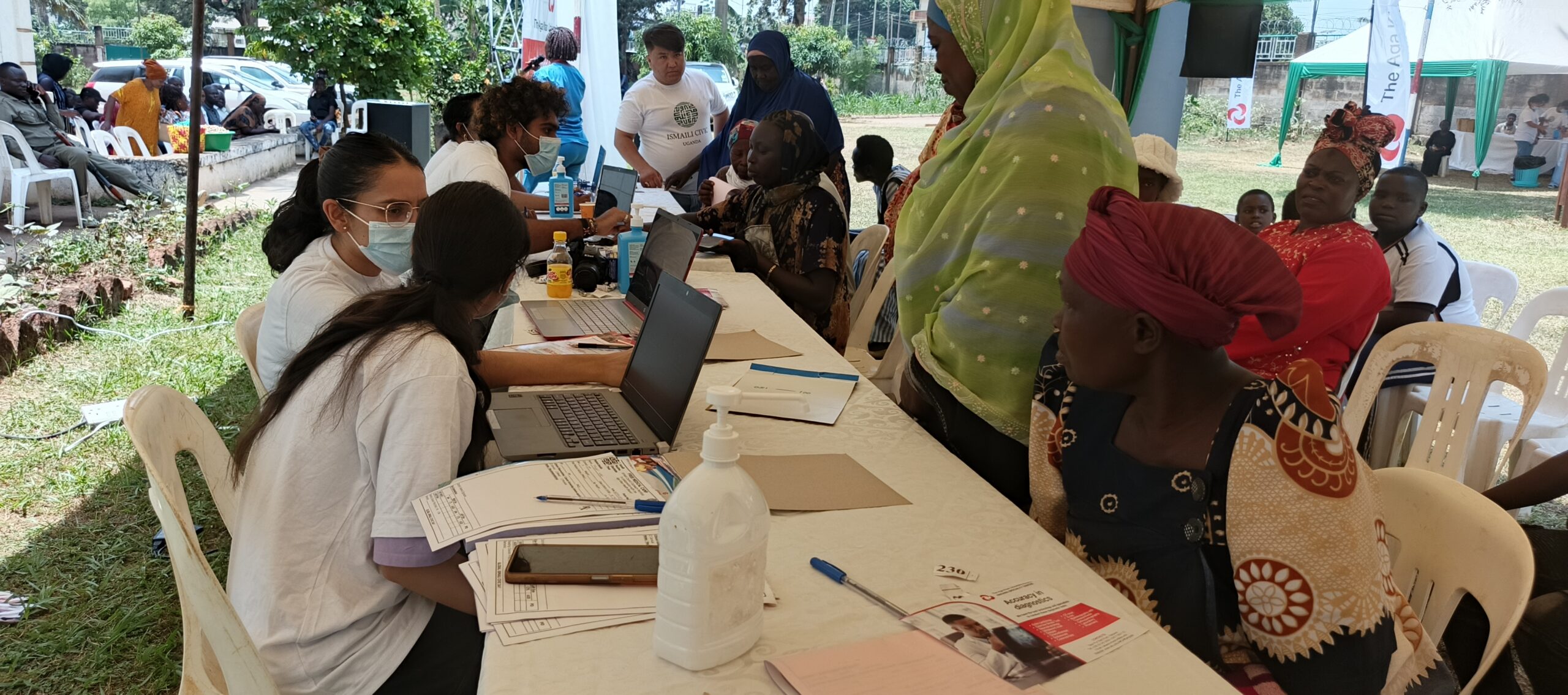
The Aga Khan hospital free health camp in Mbale City has raised concern over the number of residents living with undiagnosed cancer, hypertension and diabetes, with health workers calling for increased routine screening.
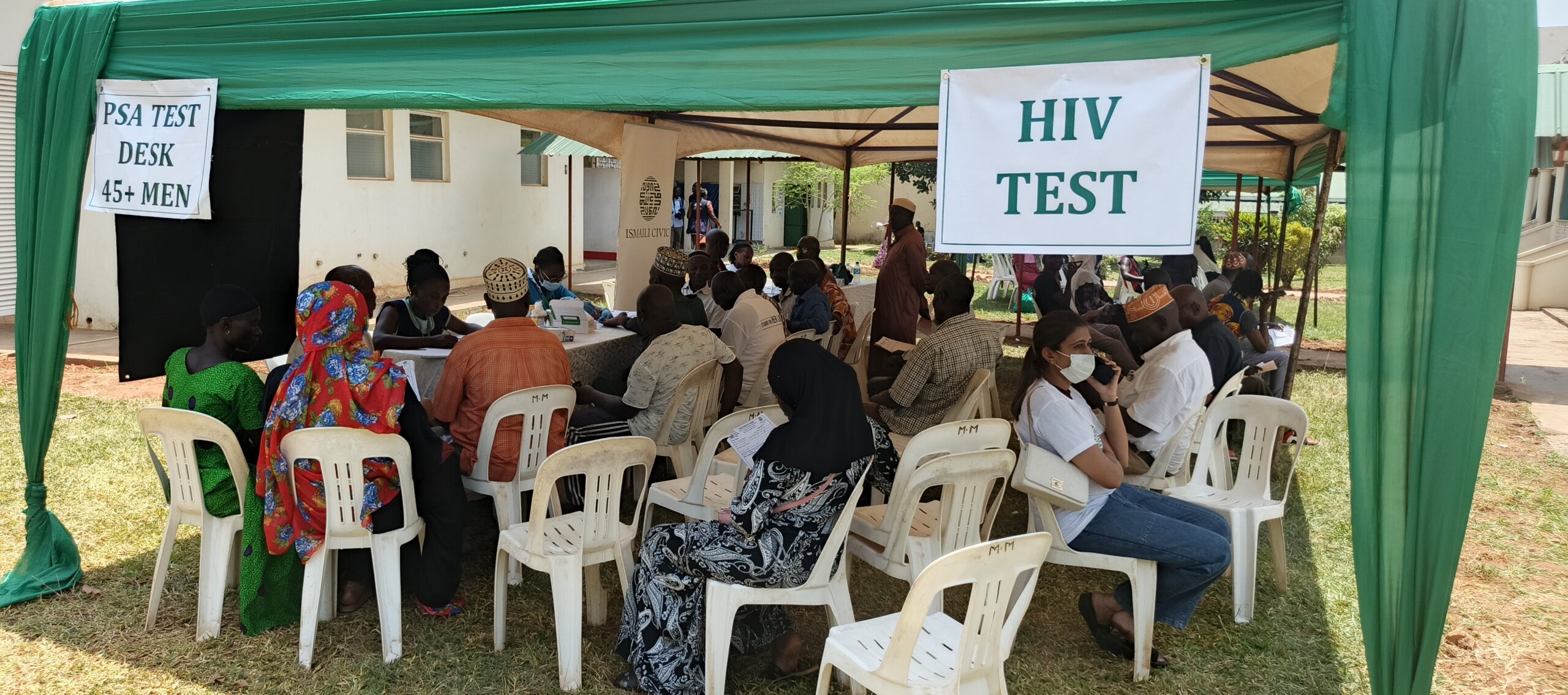
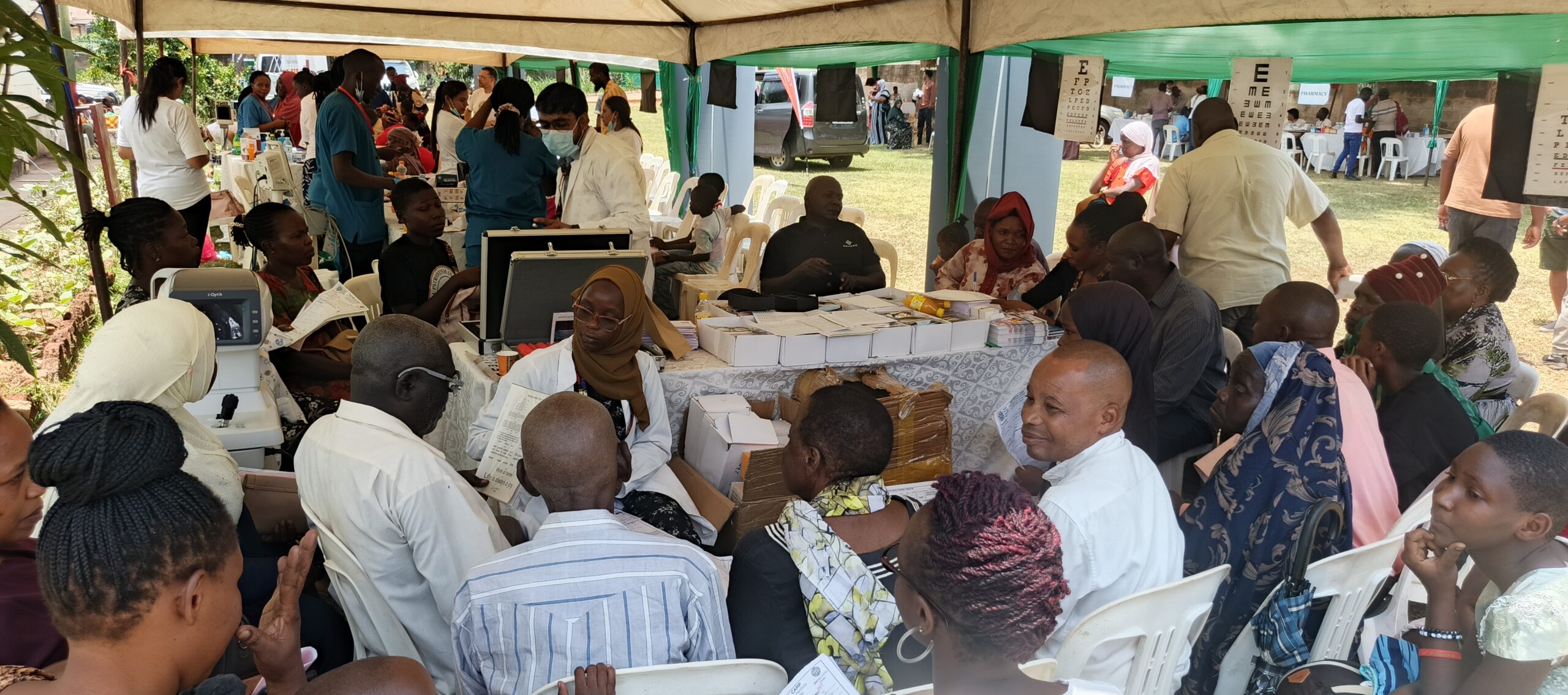
The two-day camp that commenced on Saturday 5th, held at the Ismaili Jamaat Khana residence, is screening residents for hypertension, diabetes, HIV, eye diseases and cancers, including cervical and breast cancer targeting about 2,000 residents.
Diana Namubiru Ssewanyana, Manager of Operations and Business Development at Aga Khan University Hospitals Uganda, said hypertension was the most common condition identified during the initial screening.
“Predominantly, what we are seeing is high blood pressure. Many of the people are having what we call non-communicable diseases,” Ssewanyana said.
She said the medical team had also detected cases of diabetes and cancer, including cervical, throat and thyroid cancers, as well as breast masses requiring further assessment.
Some men also recorded positive prostate-specific antigen (PSA) tests, which can indicate a possible risk of prostate cancer and require further medical evaluation.
Ssewanyana said the findings were particularly worrying because some of the people discovered with abnormalities were unaware that they had health problems.
“Some of them completely didn’t know, especially those that have been diagnosed with cancer. Some of them have had breast masses and they didn’t know, and there are those that have had high blood pressure and they didn’t even know about it,” she said.
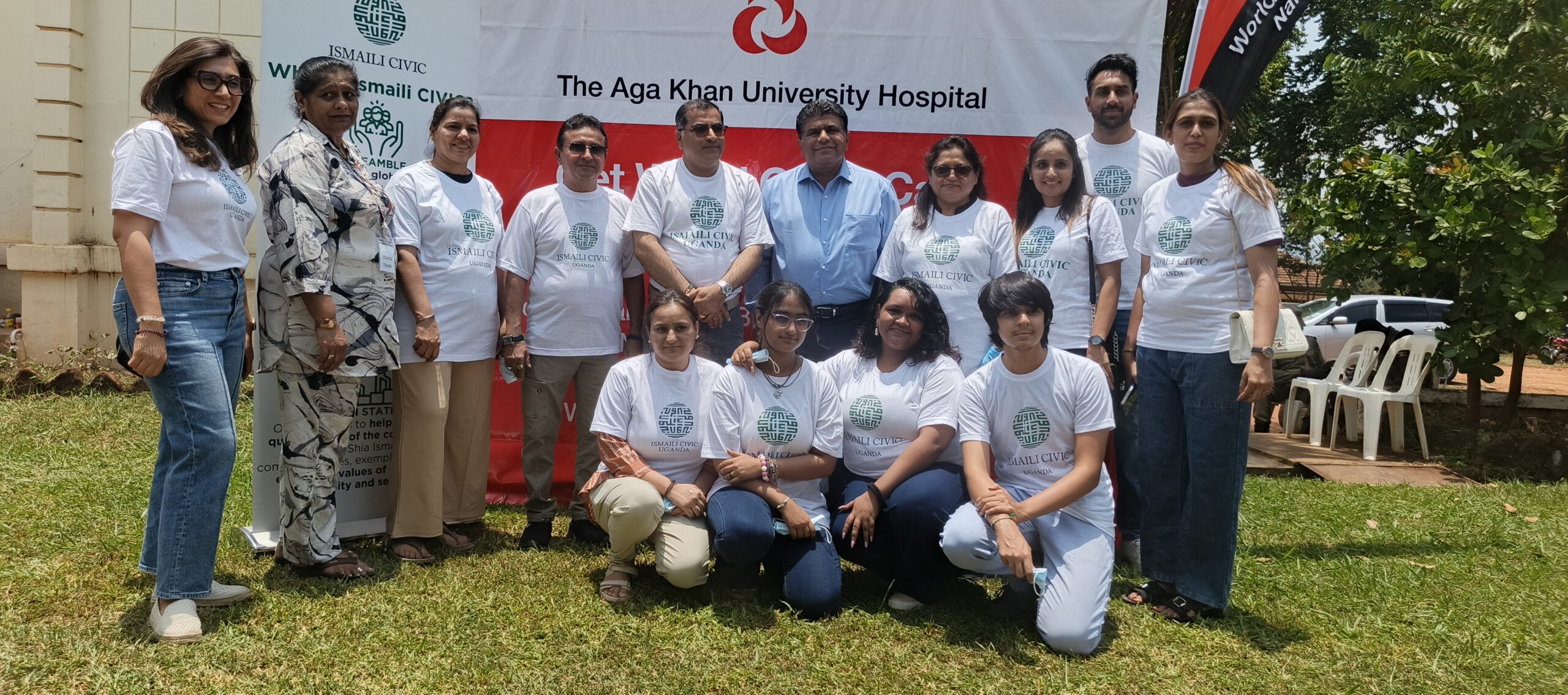
Sarfaraz Jiwani, Vice President of the Ismaili Council for Uganda, said the camp is organised under the Ismaili Civic Society programme in partnership with Aga Khan University Hospital Uganda, which seeks to support communities through health and other social interventions.
“We said that this time we should reach outside wider Kampala rather than doing it in Kampala,” Jiwani said.
Residents attending the camp said the free services were providing much-needed relief to people who often delay seeking medical attention because of the cost.
Wanda George, a Mbale resident, said many people continue to live with illnesses because they cannot afford medical consultations and tests.
“Many times we stay with illnesses but because we can’t afford, we keep postponing until we get some money before we go for a check-up,” George said.
She appealed to the government to increase the number of doctors, health workers and medical equipment in health facilities.