
Health officials have raised concern over the increasing number of unqualified people operating drug shops, warning that the practice could expose communities to unsafe medicines and put lives at risk.
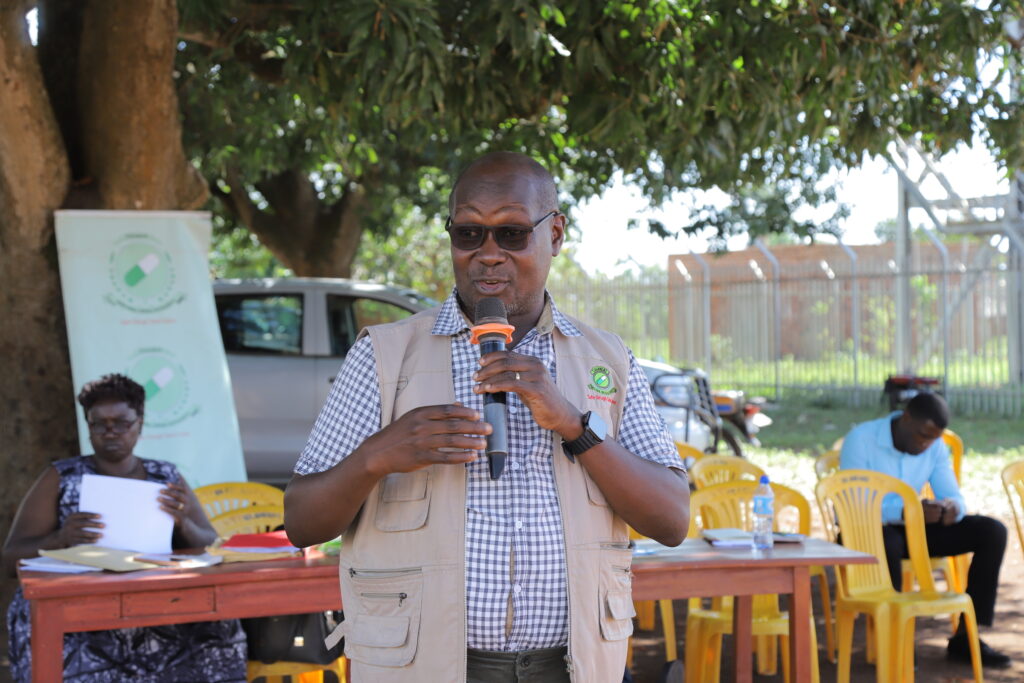
The concerns were raised during a stakeholder engagement and sensitization exercise involving the National Drug Authority (NDA), health officials and community members, where participants called for stronger public awareness and cooperation to tackle illegal practices in the medicines and health products sector.
Namisindwa District Health Officer Dr. Masai Wasu Steven said the presence of unqualified personnel in drug shops remains a major concern because people may receive inappropriate medicines or advice from individuals without the necessary professional training.
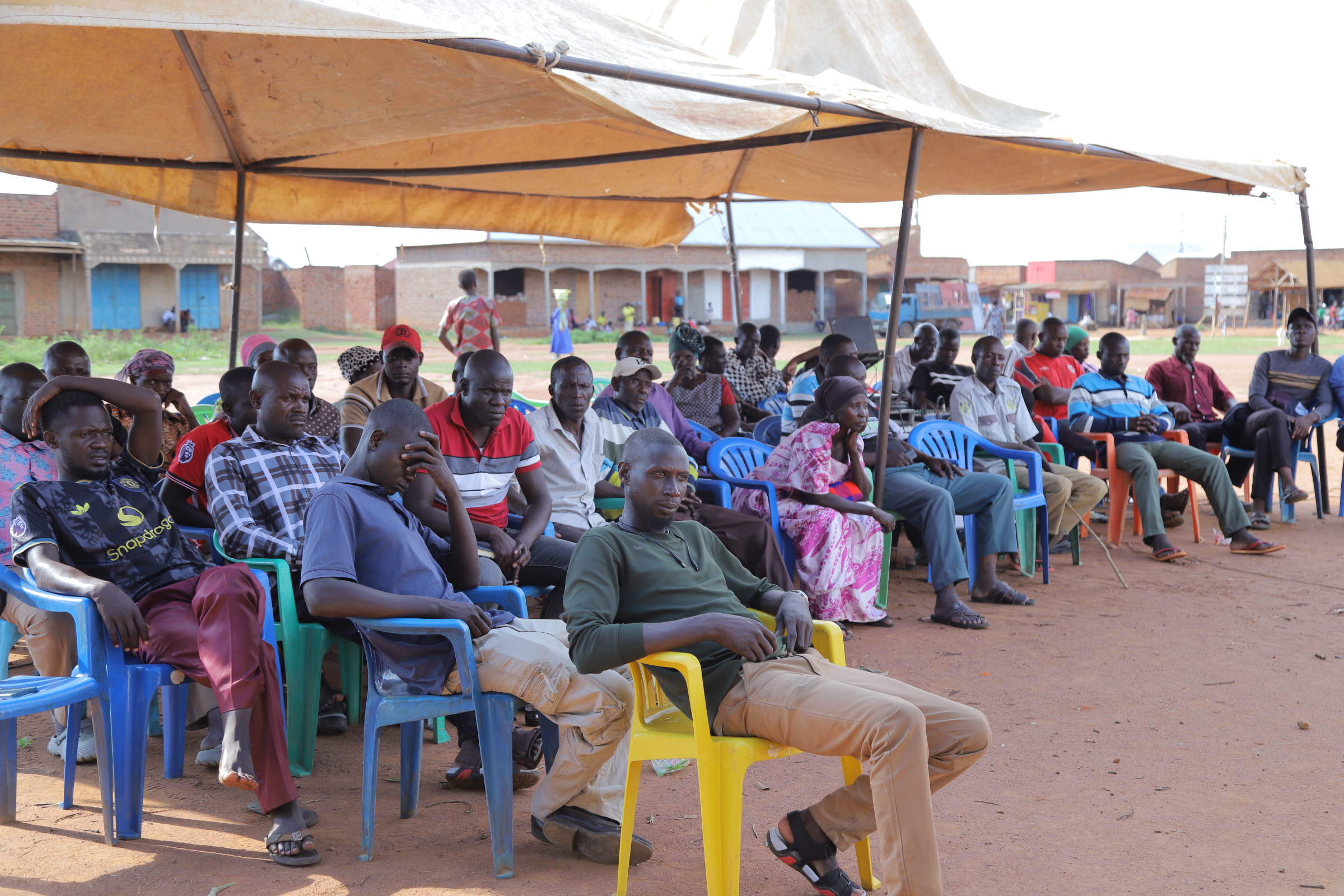
He welcomed the NDA’s increased presence in communities, saying its enforcement and sensitization activities could help residents understand the requirements for operating drug shops and the dangers of obtaining medicines from unqualified providers.
The National Drug Authority, which regulates human and veterinary medicines and other healthcare products, has intensified stakeholder engagement as part of efforts to improve compliance across the medicines supply chain.
NDA Eastern Region Regulatory Officer Dr. Eseru David said community involvement was essential in identifying illegal activities, promoting responsible use of medicines and ensuring that health products available to the public meet the required safety and quality standards.
He said some of the challenges facing regulation include illegal operation of drug outlets, employment of unqualified operators, operation from unsuitable premises, smuggling and distribution of unauthorized products, underreporting of adverse drug events and resistance during enforcement operations.
Dr. Eseru emphasized that regulation could not succeed without cooperation from communities and other stakeholders.
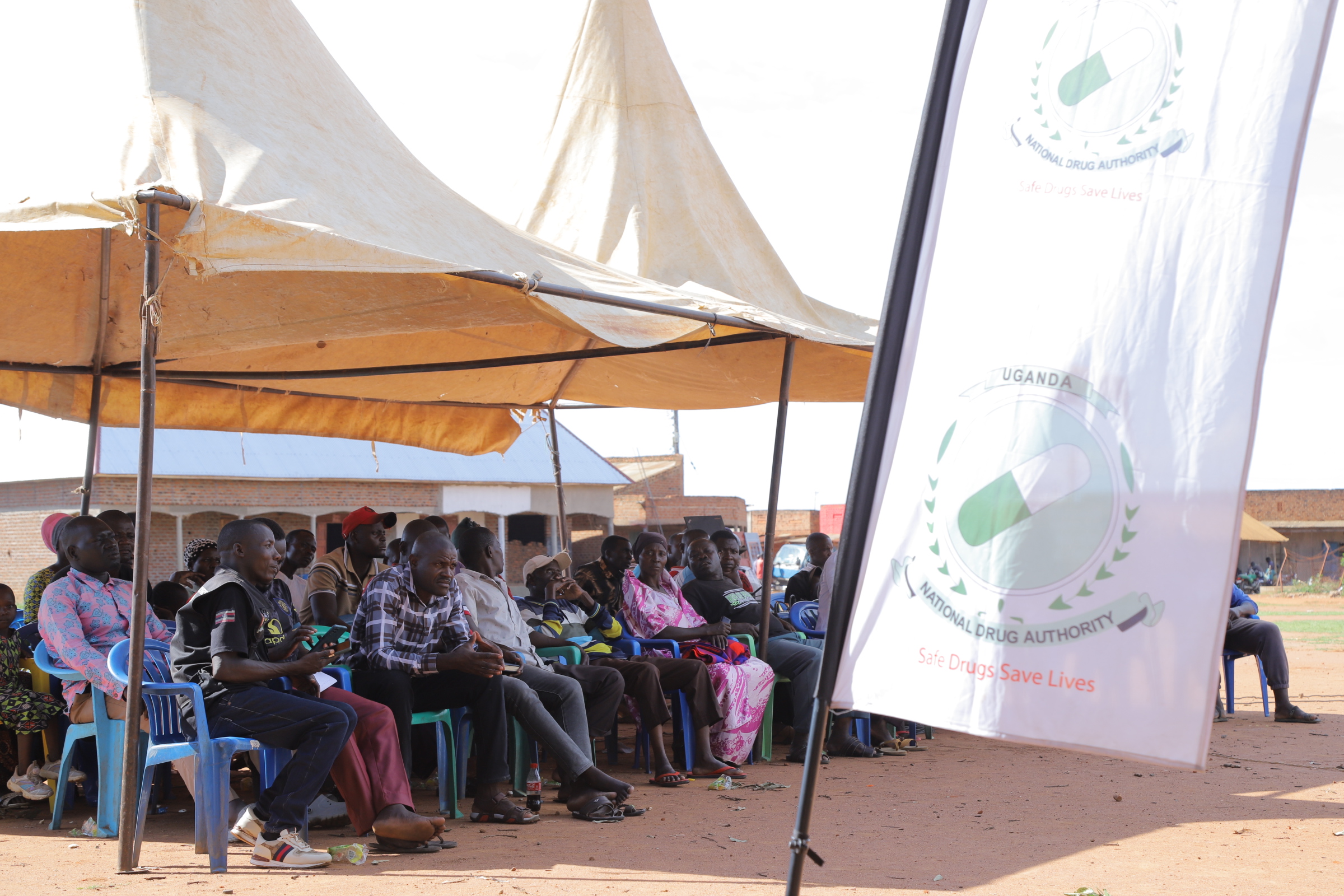
He encouraged the public to report suspected illegal drug outlets and unauthorized health products, saying increased awareness would enable communities to make informed decisions and protect themselves from unsafe medicines.
NDA Public Relations Officer Frederick Ssekyana said members of the public also have an important role to play in supporting enforcement efforts by identifying and reporting illegal products and outlets dealing in unapproved medicines.
Ssekyana explained that although some residents want to be informed before enforcement operations are conducted, authorities cannot always disclose such plans because doing so could compromise the effectiveness of the operations.
He appealed to communities to cooperate with NDA officials during enforcement activities.
“We want the residents to know that when we conduct enforcement operations, we are working for the community,” Ssekyana said.
Meanwhile, Namusungu Amina, a resident of Kasasira in Kibuku District, called for regular community meetings to keep residents informed about medicines, health products and regulatory requirements.
She pledged to share the information obtained during the engagement with other community members to promote awareness and encourage the safe use of medicines.
The concerns come as the NDA continues to strengthen public sensitization and stakeholder engagement to address illegal practices in the medicines and health products sector.
Health officials say community vigilance, reporting of suspected illegal activities and purchasing medicines from authorized outlets remain important steps in protecting the public from potentially harmful health products.