
By Mujasi Siragi Mubajje
WAKISO. For two days, the chalkboards at Direct Aid Primary School in Kakiri, Wakiso District, carried more than just arithmetic and grammar. They became canvases for raw conversations about trauma, anxiety, and the hidden psychological struggles children bring to class.
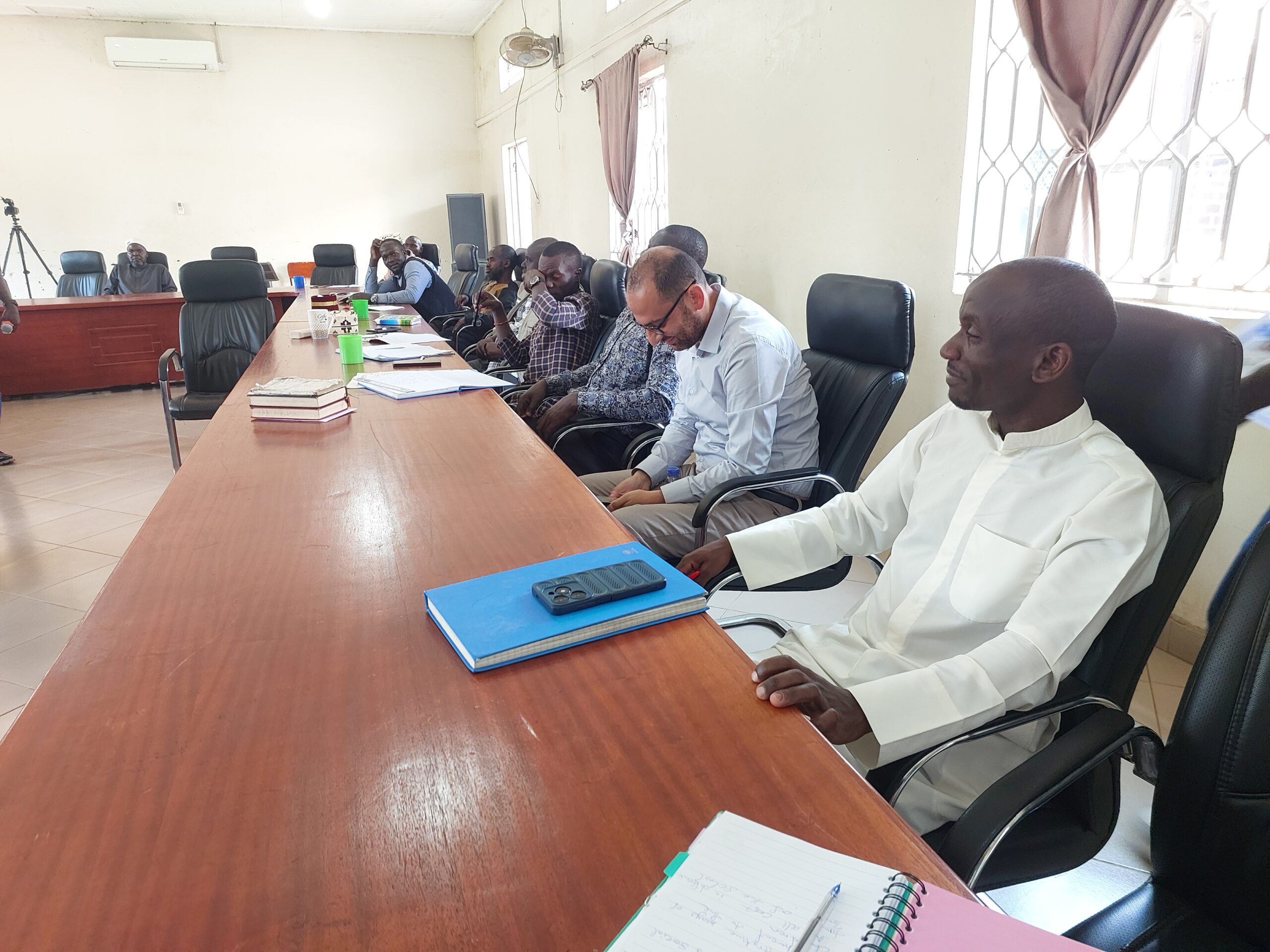
Teachers, administrators, and orphan supervisors recently gathered for a hands-on workshop on mental health, classroom management, and raising 21st-century learners. The training was conducted by Ndejje University’s Faculty of Education and Humanities.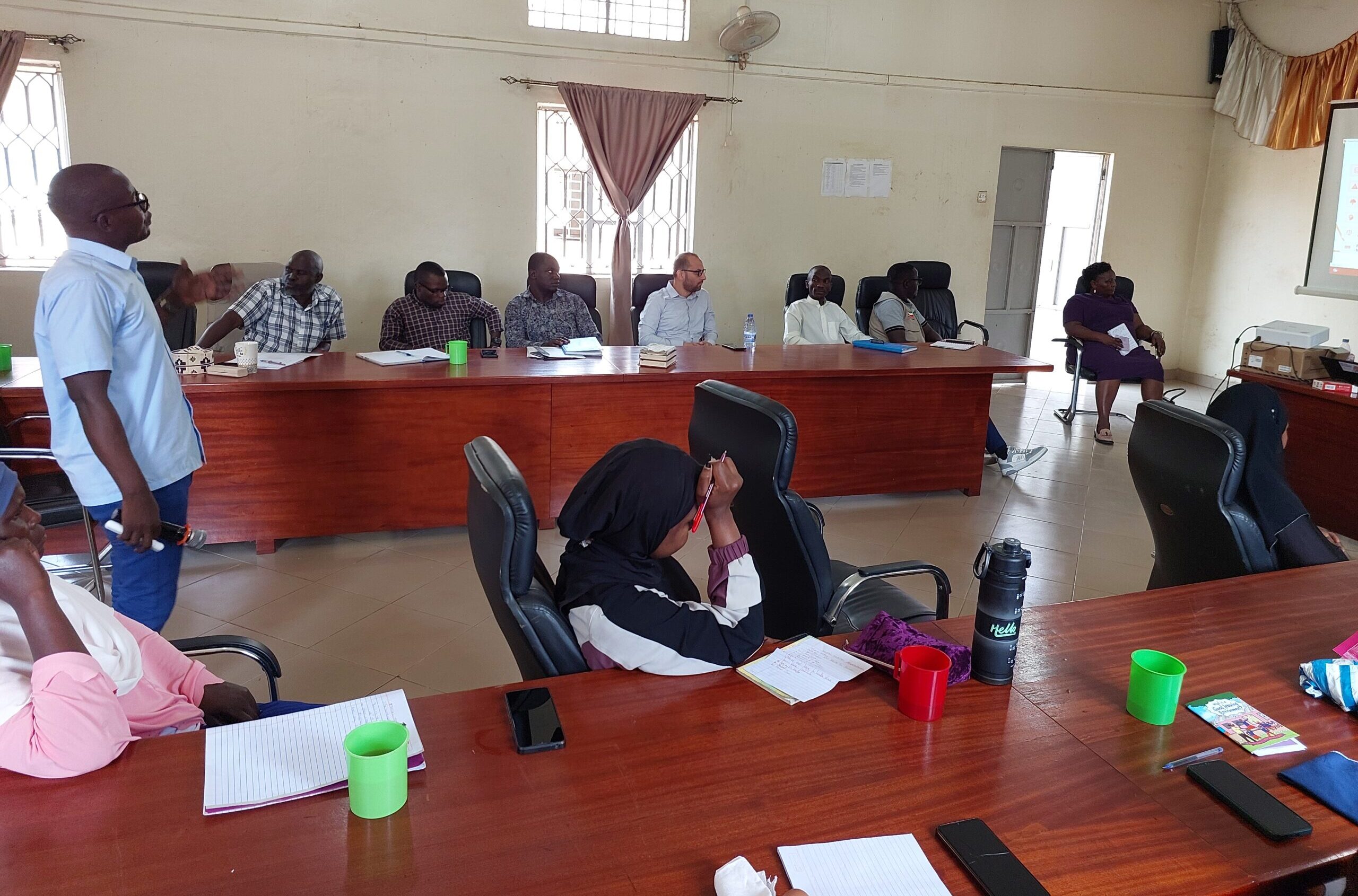
Dr. Primrose Nakazibwe, the Dean and Director of Research and Innovations at Ndejje University, framed the workshop as part of the institution’s corporate social responsibility to support vulnerable children. She cited statistics showing that 22 percent of mental health cases in Uganda affect individuals under the age of 18.
Knowing that this is a school for vulnerable children, the trauma of losing parents brings a lot of mental distress. If teachers are not trained to handle this delicate situation, managing these learners becomes a significant challenge for the foundation. Dr. Nakazibwe noted.
Her words underscored a critical reality for educators: emotional healing must often precede academic learning.
Mr. Kenedy Kalifan Yusto Alli, the school’s social worker, revealed that he identified this capacity gap immediately upon taking office.
We conducted an assessment and realized there was a missing link between classroom management and mental health training, Mr. Alli said. Mental health challenges are real. Everyone has an underlying trauma or problem, and they need someone to listen to them.
He appealed to the Ministry of Education and school proprietors across Uganda to employ professional counselors and social workers to support learners’ emotional needs.
Dr. Grace Kansiime reminded teachers of their dual role as educators and surrogate parents, given the amount of time they spend with the children.
We stay with these learners more than their actual parents do. We must mentor disciplined, responsible, and God-fearing citizens by teaching the head for knowledge, the hand for skills, and the heart for affection and values, Dr. Kansiime said.
She cautioned that unresolved stress and frustration can completely shut down a child’s ability to learn, leaving them unable to thrive academically or emotionally.
Addressing modern classroom management, Ms. Nalongo Nakkazi Winifred urged teachers to completely abandon outdated methods of corporal punishment.
Just talk to the child to avoid violence. Introduce group work to build teamwork and empathy. Teachers must first embody humanity, Ms. Nakkazi said. She highlighted the emotional needs of children, referencing the five love languages including tender touch, quality time, and gifts as vital tools for nurturing young hearts.
Sheikh Mukebezi Abdullah, the head of orphan supervisors, expressed gratitude to the facilitators, noting that the training had reshaped the staff’s approach toward more compassionate care.
Providing technical expertise, Mr. Kaibbo Muzamiru from Mental Health Uganda explained how his organization has been equipping community structures to respond better to psychological distress.
Statistically, out of three people, one is likely facing a mental health challenge. We must fight this together and improve our support systems, Mr. Muzamiru urged.
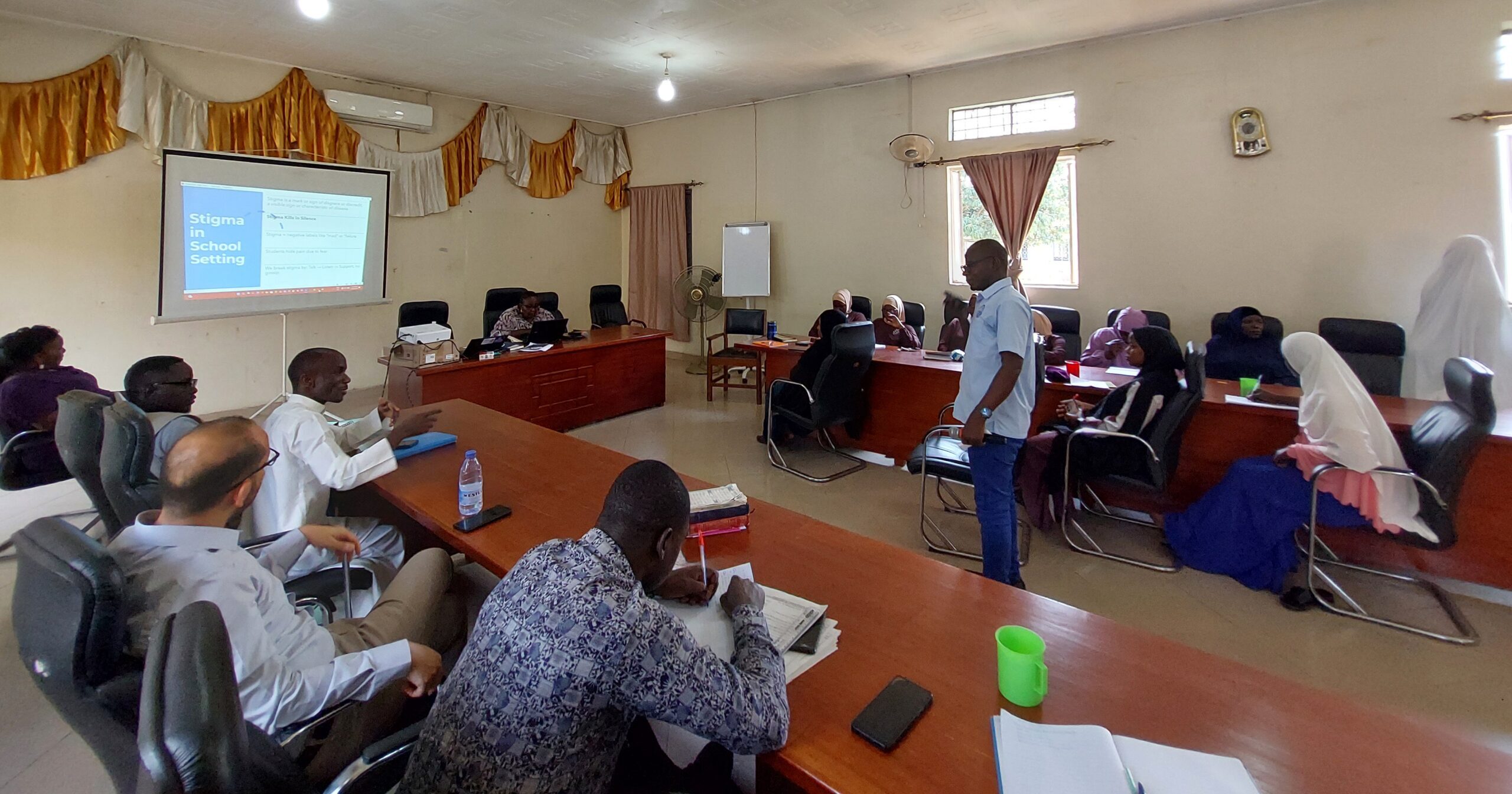
The workshop emphasized life skills such as problem-solving, self-awareness, and friendship building as essential survival tools for learners rather than mere extracurricular activities. The overriding message from the facilitators was clear: fix the heart before filling the head.
The organizers closed the engagement by commending Direct Aid Society for its holistic investment in vulnerable children, providing both quality education and psychosocial support to give them a genuine second chance at life