
Elegu Town Council, March 17, 2026
Health authorities in Elegu have raised concern over poor hygiene and unsafe meat handling practices at the local slaughter slab, warning that the situation could expose the community to preventable diseases if urgent improvements are not made.
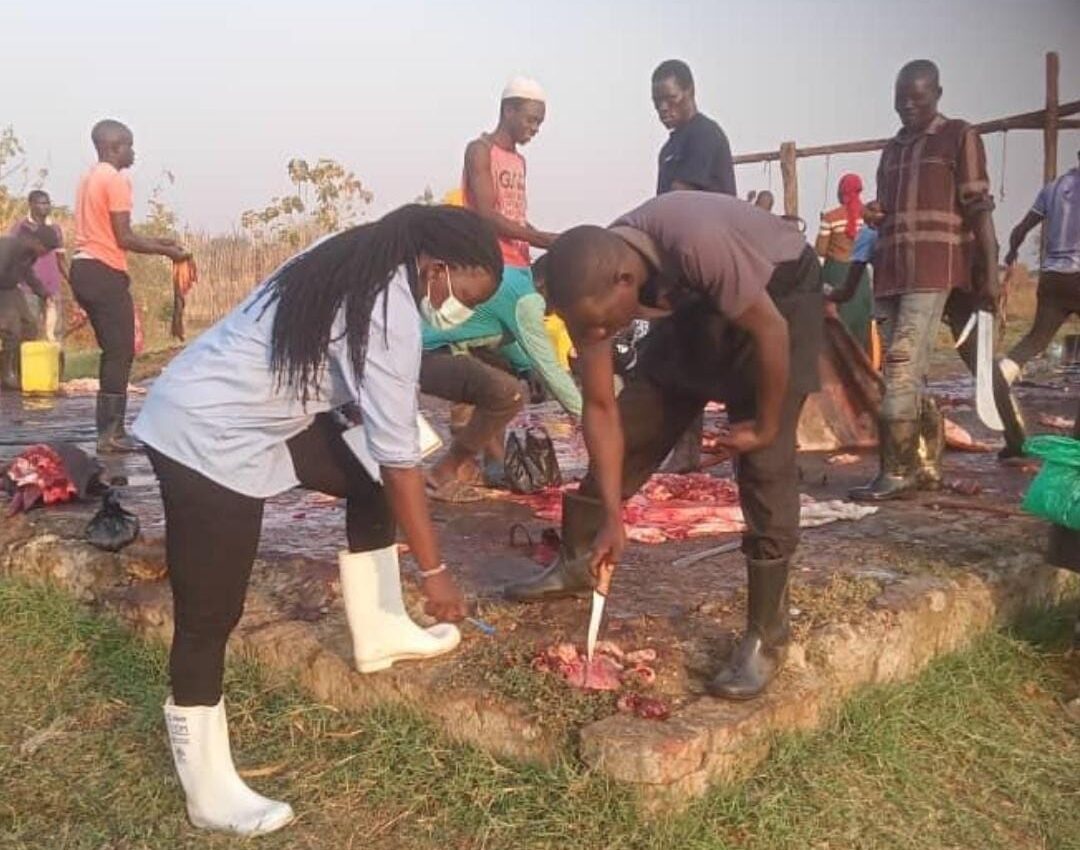
According to findings from a recent environmental inspection, the slaughter facility is in a deteriorating condition, with a damaged floor, absence of roofing, and lack of fencing to control access. Inspectors observed that animal waste, including blood and animal waste, is poorly managed due to inadequate drainage and disposal systems. The report also noted that some animals are slaughtered outside the designated area, increasing the risk of contamination.
Health inspector Lamot Patrick Louis revealed that standard meat safety procedures, including ante mortem and post mortem inspections, are not consistently conducted. Critical examination of organs to detect diseases such as tuberculosis is sometimes missed, posing potential risks to public health.
“The inspection forms part of ongoing surveillance activities aimed at strengthening disease prevention in border areas that experience high movement of people, including traders, travelers, and refugees.” Said Lamot Patrick Louis, Health inspector
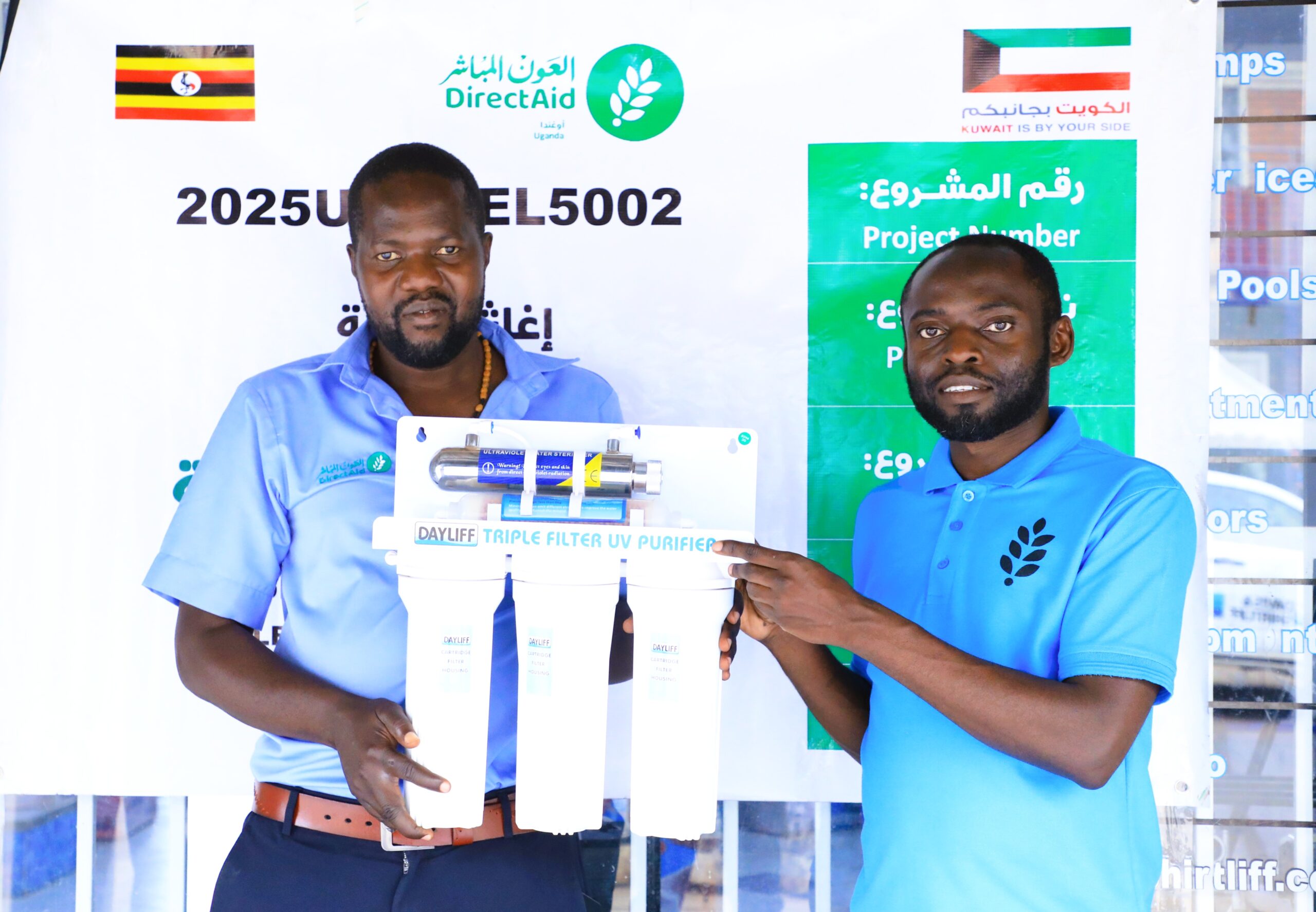
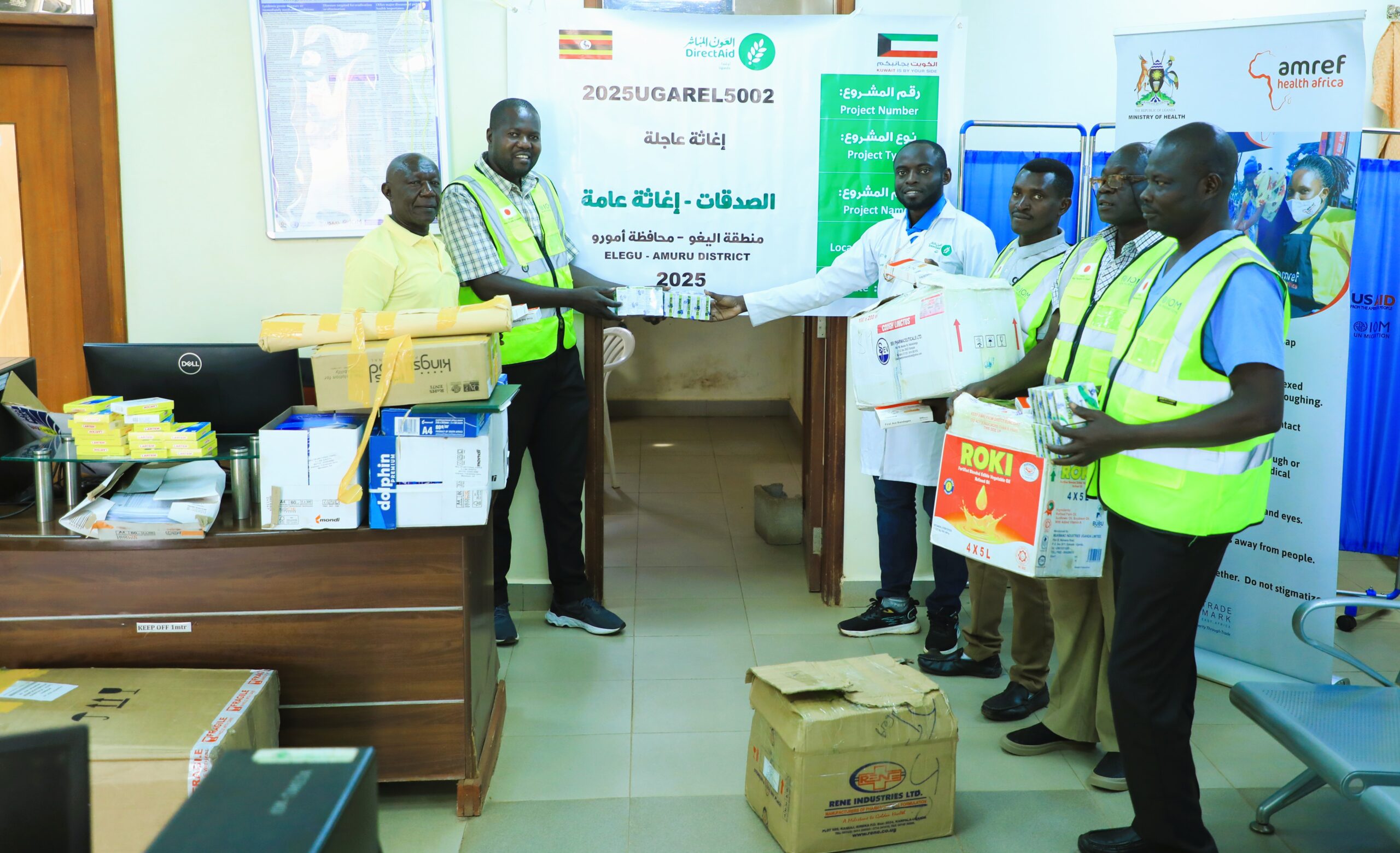
Meanwhile, Direct Aid Society continues to support public health interventions in the Elegu border area through partnership with Port Health and other stakeholders. According to an implementation report on cholera response support, Direct Aid Society previously contributed food assistance to more than 400 households in 2023 and supported a medical camp that helped bridge medicine shortages for vulnerable communities, including refugees and travelers.
The support also included provision of assorted medicines that strengthened Out-Patient Department services, enabling health workers to provide basic treatment and emergency care to populations at the border. In addition, Direct Aid Society facilitated stakeholder sensitization meetings, rapid response training for health workers, and coordination efforts aimed at improving disease surveillance and response capacity following recurrent cholera outbreaks that affected more than 200 people between July and December 2025.
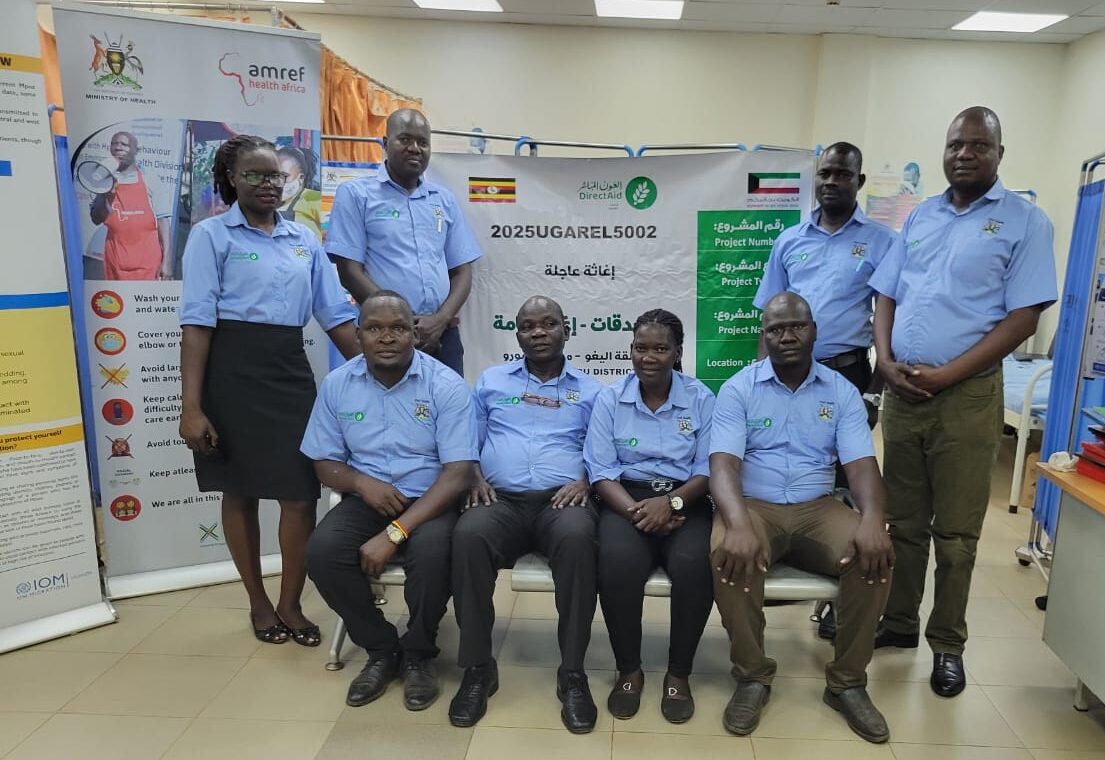
As part of improving working conditions for frontline personnel, Direct Aid Society also provided uniforms to Port Health staff to support environmental surveillance activities and enhance visibility during community engagement exercises.
Health stakeholders have emphasized the need for improved water, sanitation and hygiene (WASH) infrastructure in Elegu, noting that better waste management systems and strengthened inspection procedures are essential in preventing future disease outbreaks.
Authorities continue to encourage collaboration between government agencies, health partners, and the community to promote safer hygiene practices and protect public health in this busy border town.
Good 👍
Thank you so much Direct Aid Society for your continued support towards cross border health surveillance in Elegu
The Pleasure is ours.