
By Mujasi Siragi Mubajje
Every morning, more than 200 people congregate at Omugu Health Centre, clutching onto a fading hope for treatment that rarely comes. For many in this crowd, the world has been dark since 2021 not because their condition is incurable, but because poverty and a broken healthcare system have stood in the way of a simple surgery.
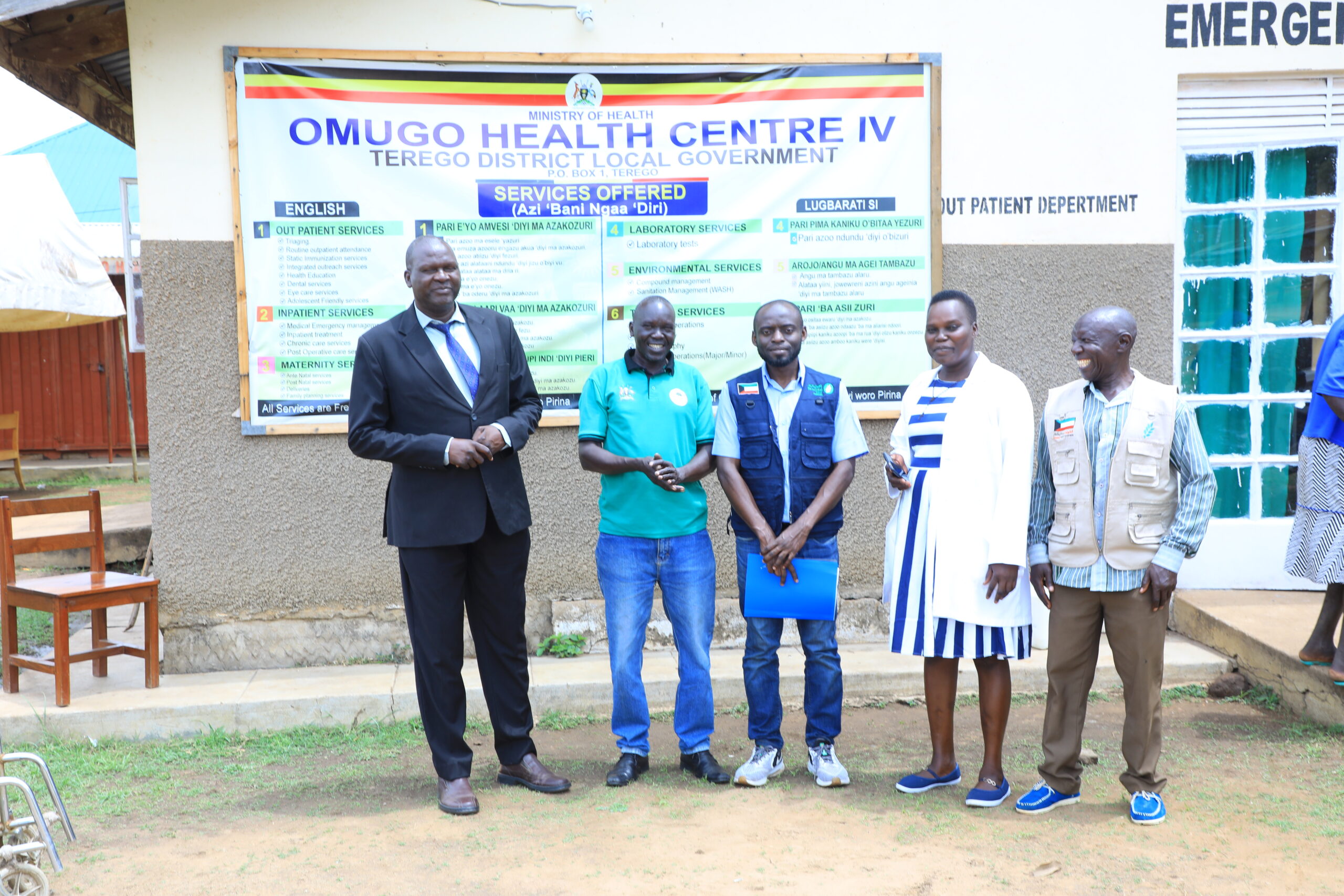
The crisis at Omugu is a microcosm of a broader “silent epidemic” of preventable blindness sweeping across Northern Uganda, where critical equipment shortages and a lack of specialists are leaving millions in the dark.
A Symbol of Neglect
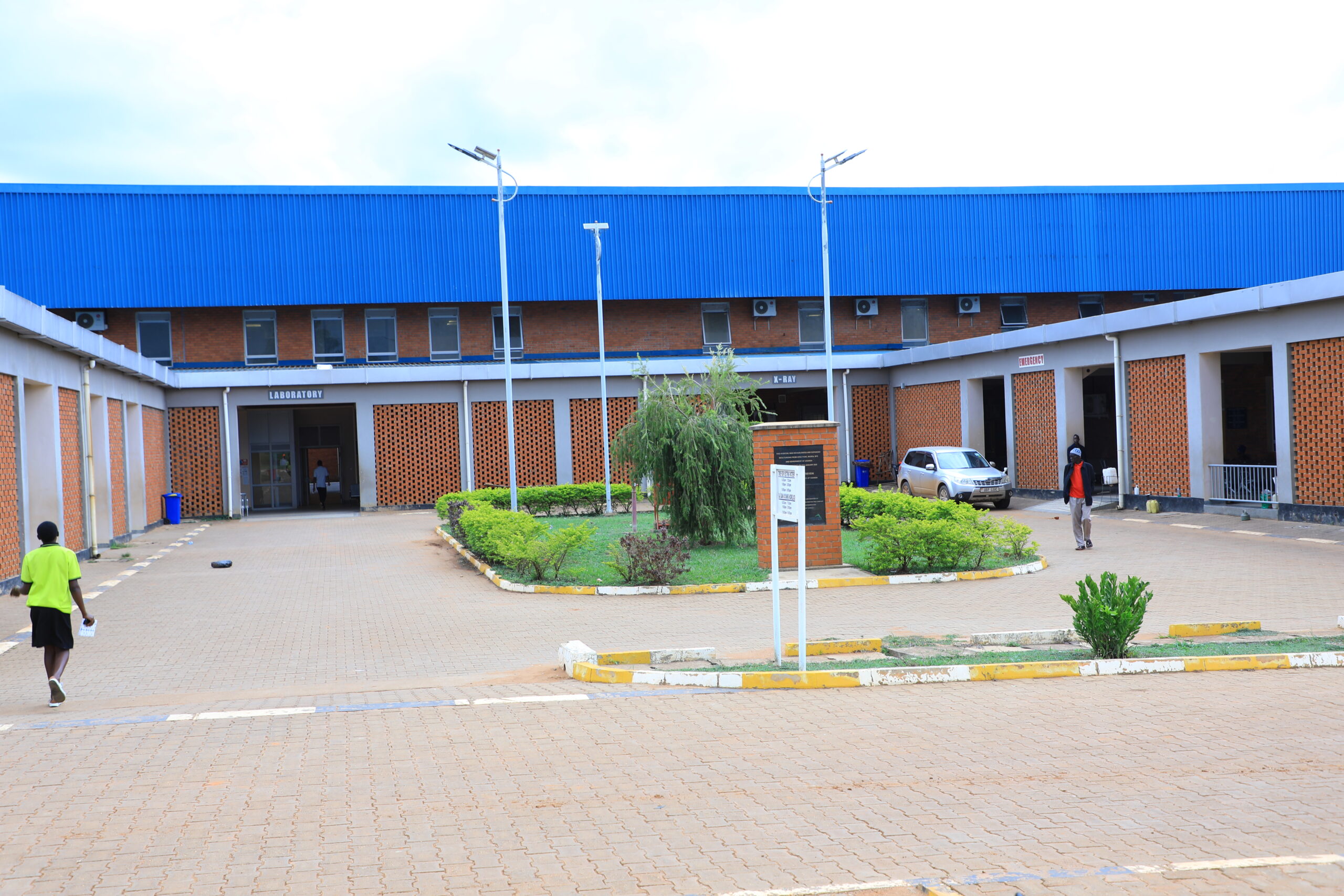
Six years ago, the government commissioned an eye care unit at Omugu to serve the growing needs of the district. Today, that building stands as a hollow shell of its former promise.
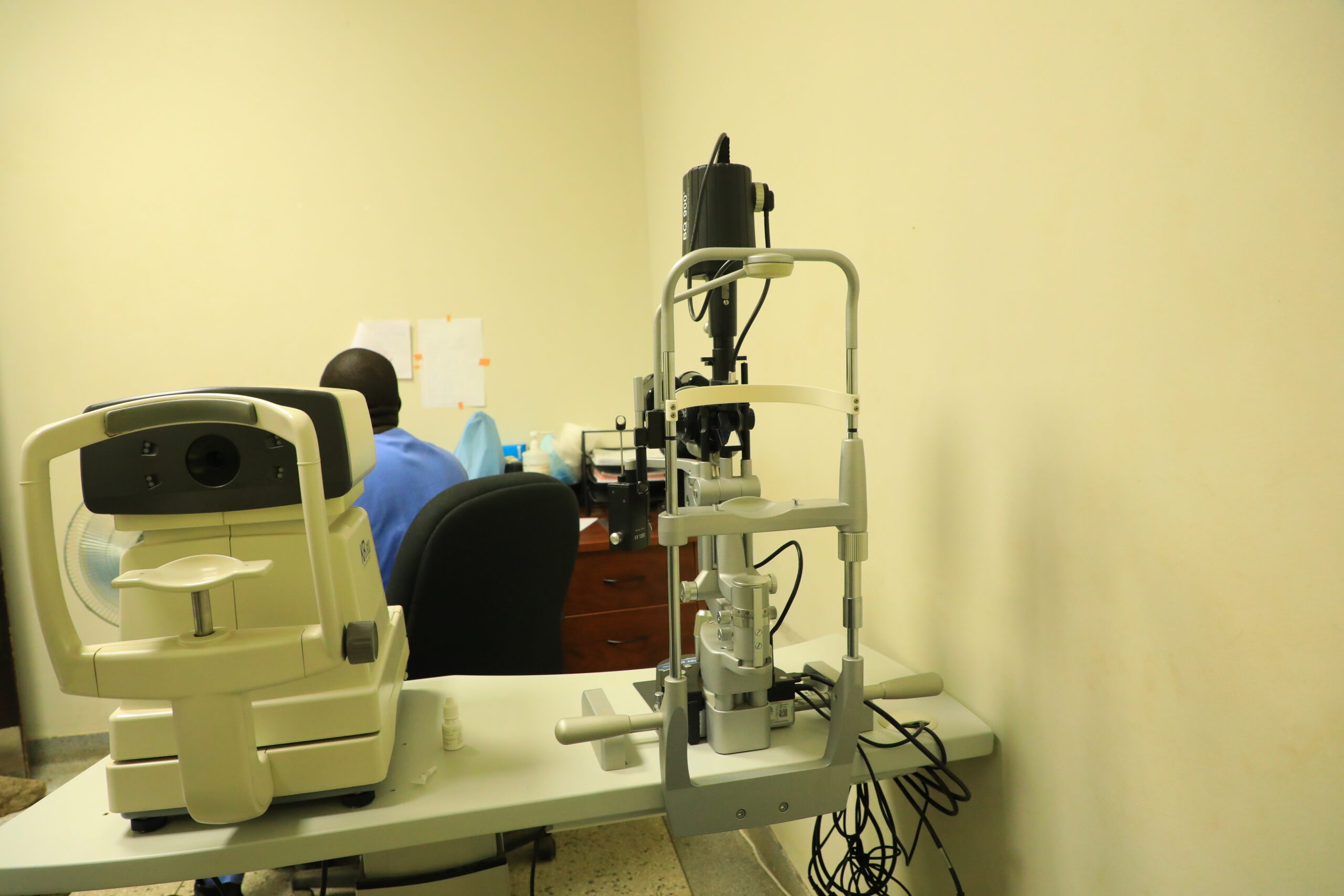
While the walls remain intact, the facility lacks a slit lamp, the basic tool required for proper eye examinations. Its only tonometer, used to measure eye pressure, is damaged and outdated. To make matters worse, a single eye clinic officer is left to serve the entire district.
Regional Infrastructure in Shambles
The statistics paint a grim picture for the region. Northern Uganda currently has only two functional eye care units to serve a population of over 3.3 million people, a figure that excludes thousands of refugees from South Sudan and the Democratic Republic of Congo (DRC).
At Yumbe Regional Referral Hospital, the situation is equally dire. Three staff members are forced to share limited, often malfunctioning equipment. In a bizarre reversal of the medical referral system, the regional hospital is sometimes forced to send patients to Moyo, a lower-level facility, simply because it houses the only working tonometer in the entire sub-region.
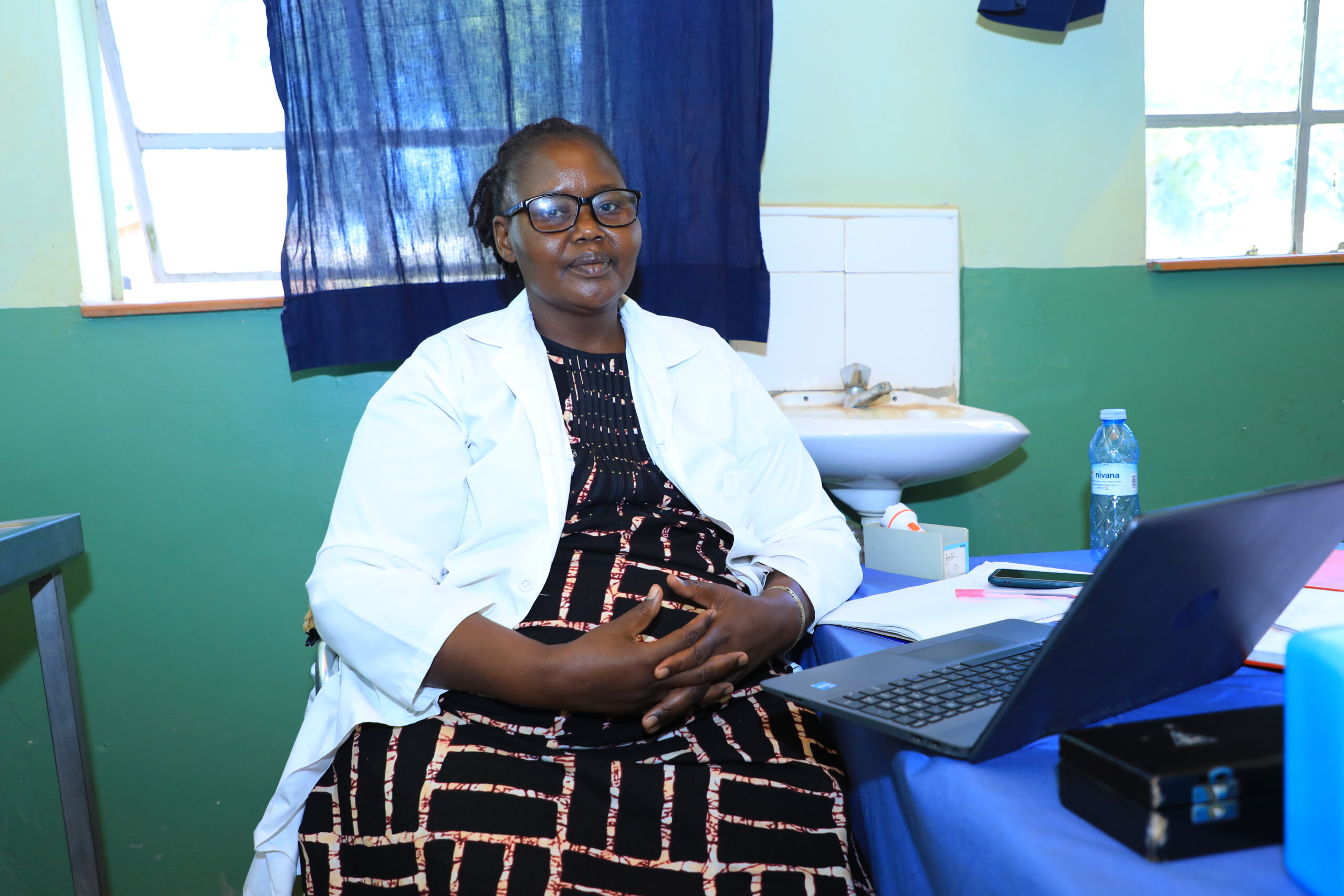
“We cannot perform cataract surgeries,” explains Shanda Alice, a Senior District Clinical Officer. “We simply do not have the equipment or the personnel. At our level, we can only handle minor procedures like removing foreign bodies.”
Risk of Infection and Silent Cases
For the few who do manage to undergo surgery, the road to recovery is fraught with danger. Due to a lack of specialized recovery wings, cataract patients are often placed in general wards alongside various surgical cases, significantly increasing the risk of post-operative infections.
The crisis is also creeping into classrooms. Teachers across the region report a surge in students who cannot see the blackboard. These children suffer from untreated refractive errors or vision loss caused by minor injuries that, if left untreated, lead to permanent disability.
The Barrier of Poverty
While cataracts are the leading cause of blindness, they are also among the most treatable. However, for the elderly in rural Northern Uganda, the cost of transport to distant facilities is an insurmountable wall.
Denied access to corrective glasses or low-cost surgery, many are forced to return to their villages to live out their remaining years in total darkness. Health workers now warn that unless the Ministry of Health fast-tracks the procurement of diagnostic equipment and the deployment of ophthalmic surgeons, a generation of Ugandans will be lost to preventable blindness.
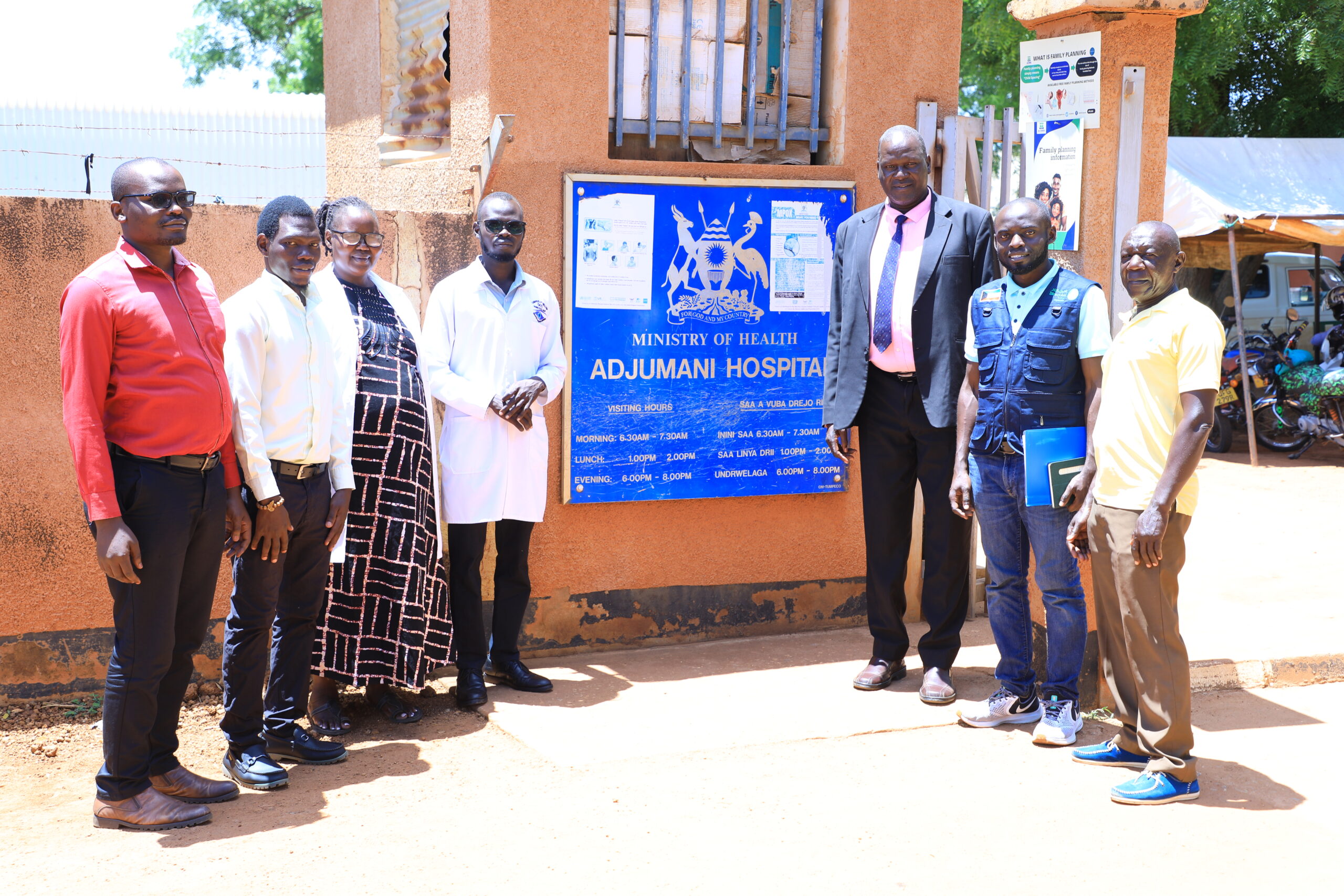
The hospital’s dire situation has caught the attention of the Direct Aid Society, which has now stepped in to provide a lifeline to the struggling facility.
The international charity has committed to delivering a donation of medical supplies and equipment shortly to address the current shortages. Hospital administrators expressed optimism that this intervention will bridge the gap in service delivery and allow the eye unit to resume critical operations.