
“Parenting is not simply about providing children with food, clothing, education and other material needs. It is about preparing them for life.” Hafy Ahmed, Parenting coach
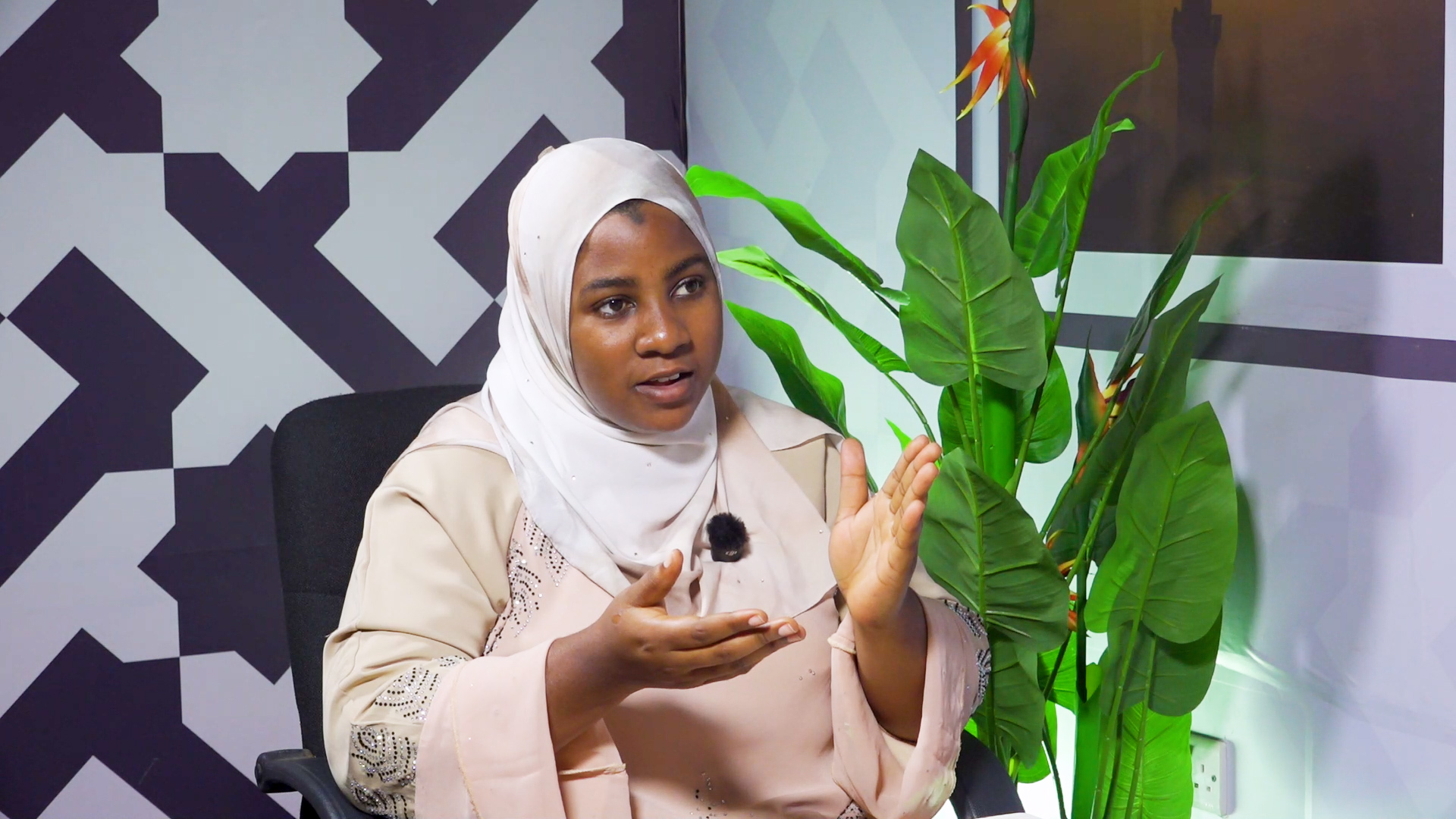
A mother, wife, teacher, decorator and counsellor, Hafy has experienced different sides of family life and child development. These experiences have shaped her understanding of parenting, particularly the importance of raising children who are confident, responsible and grounded in good values.
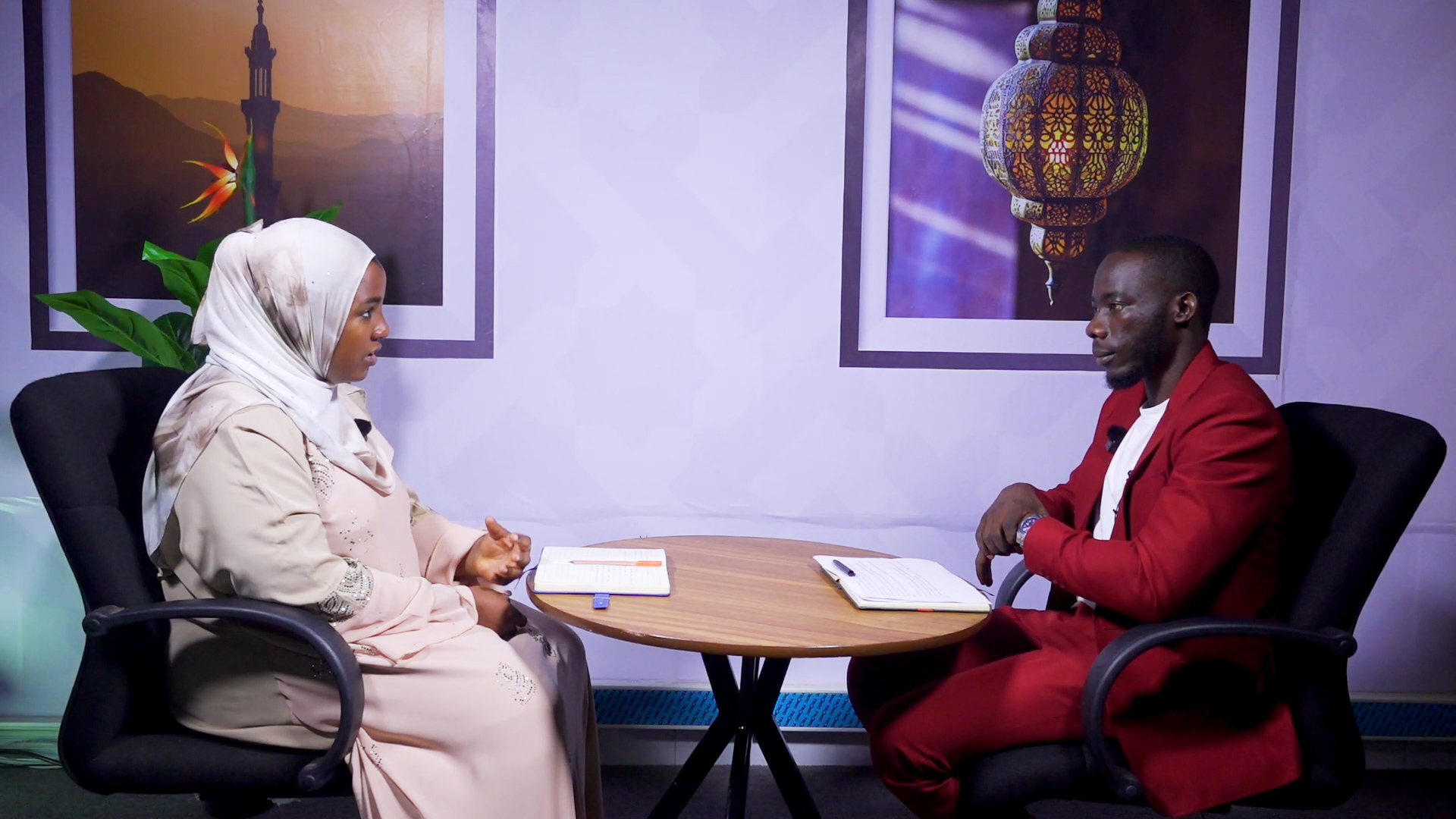
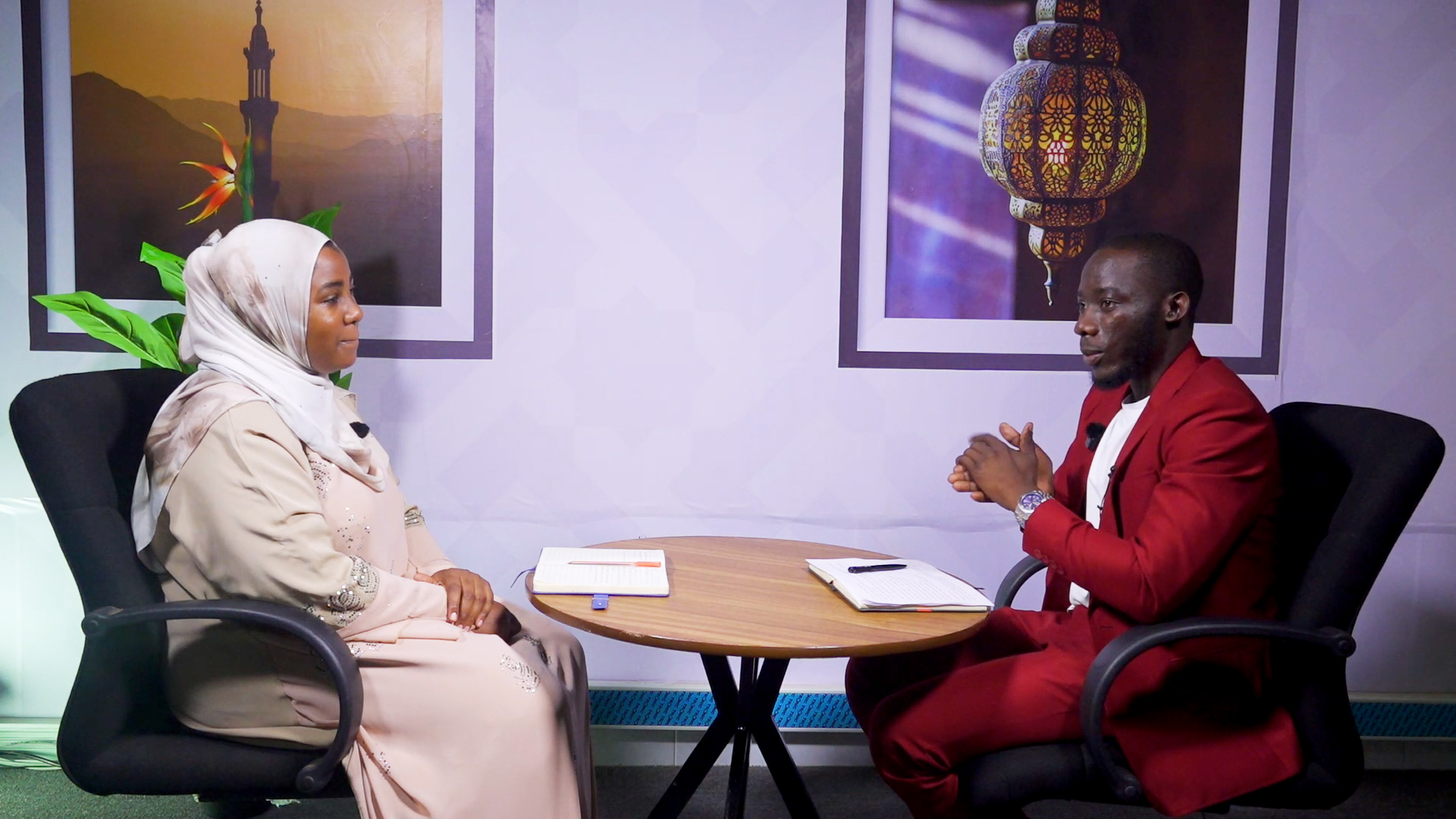
During a one-on-one conversation with Mr. Lubega Ibrahim on Noor Media’s podcast, Hafy opened up about her childhood, her career as a teacher and counsellor, and the lessons she has learned about parenting.
Hafy grew up in a wealthy family, and her early childhood was comfortable. However, her circumstances later changed dramatically.
“Many people do not know my story,” she said. “I grew up in a wealthy family, and during my primary school years, life was comfortable. But later, everything changed.”
The changes she experienced taught her an important lesson: life can change unexpectedly, and children need more than material comfort to prepare for the future.
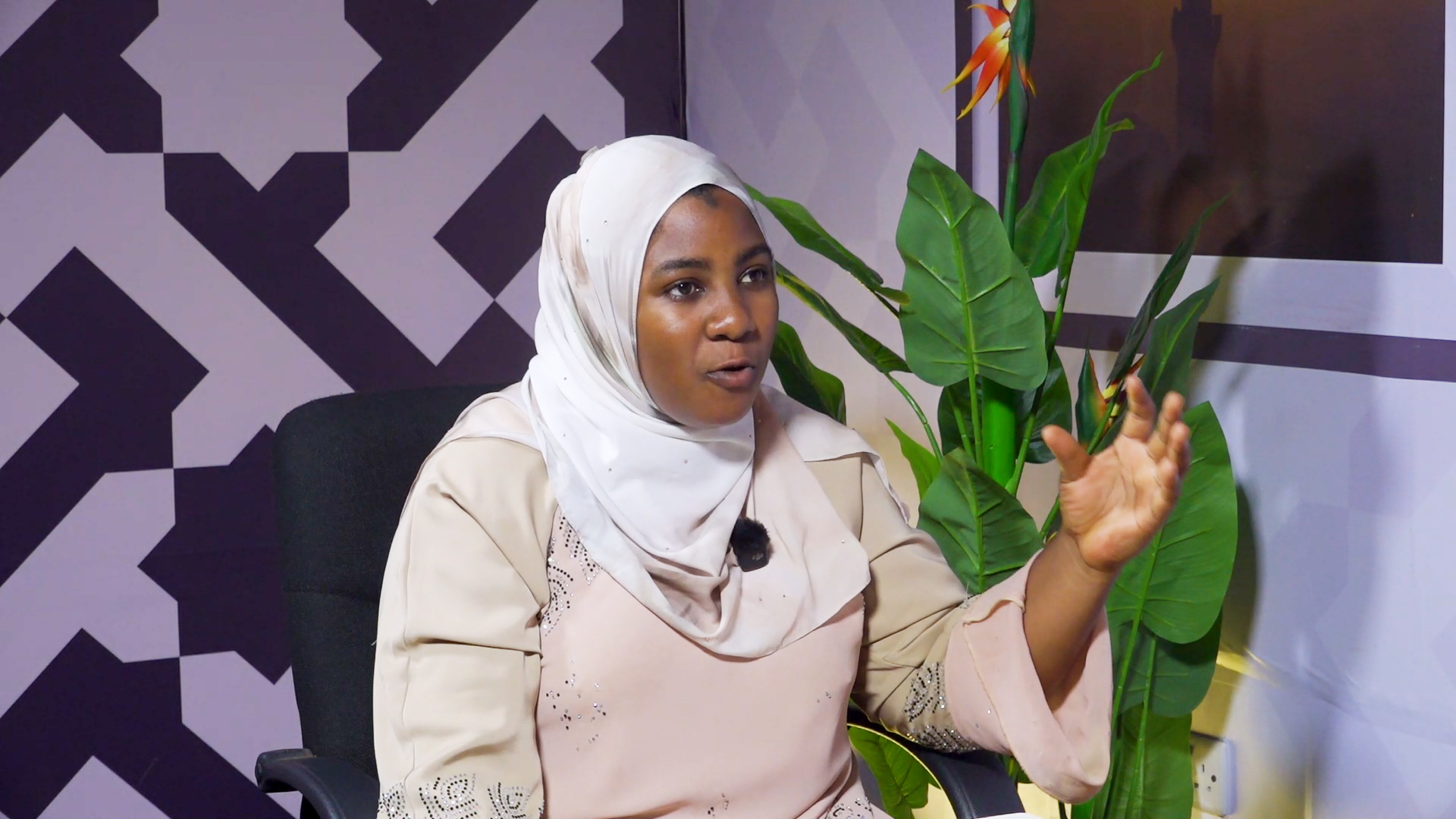
Her childhood experiences became particularly meaningful when she entered the teaching profession. As a teacher, she began observing the challenges many children faced, including a growing gap between children and their parents.
She noticed that while many parents were working hard to provide for their families, some children were missing something equally important: time, attention, guidance and emotional connection.
That experience encouraged Hafy to venture into counselling, where she could support children and families beyond the classroom.
For Hafy, one of the biggest challenges facing modern parents is finding a balance between providing for their children and being emotionally present in their lives.
Parents may work long hours to pay school fees, provide food and clothing, and give their children a comfortable life. But, she argues, children also need someone who will sit with them, listen to their concerns and guide them through the challenges they face.
“When that connection is missing, children can feel alone, even when their needs are being met,” she said.
Her concern is not that parents are failing to provide. Rather, she wants parents to recognise that children need more than material support.
Hafy often compares the childhood of her generation with the experiences of children today. When she was growing up, children were expected to take responsibility for simple tasks at home.
“When I was young, we washed our own clothes, including our school uniforms, and took responsibility for simple tasks around the home,” she recalled.
She remembers guardians who were strict but also present. Children were expected to participate in household activities and learn discipline through everyday responsibilities.
Today, however, Hafy sometimes encounters children in Primary Six who do not know how to wash their own school uniforms.
For her, the issue goes beyond washing clothes. It is about whether children are being given enough opportunities to become independent.
Small household responsibilities, she believes, can teach children important lessons about discipline, accountability and self-reliance. Children can be encouraged to make their beds, wash their clothes, clear their plates, organise their school materials and participate in household chores.
Such activities may appear simple, but they help children understand that they are capable of contributing to their families and taking responsibility for themselves.
Hafy also challenges the common perception that confidence is demonstrated by speaking good English or being outspoken.
“Confidence is not arrogance, and it is not measured by language,” she said.
A confident child, according to Hafy, understands their own worth and can express themselves while respecting others. True confidence is built alongside good morals, discipline, responsibility and a strong sense of identity.
This means that parents should not focus only on academic performance or communication skills. They should also help children develop character and learn how to conduct themselves responsibly in society.
For Hafy, parenting begins even before a child enters the world. She believes that when a woman learns she is pregnant, parents can already begin preparing themselves for the responsibility ahead.
They can pray for the child, speak lovingly about them and think about the values and principles they want to instil in their family.
As children grow, their needs change. Babies need close care and bonding. Toddlers begin to explore their surroundings and test their independence. School-age children begin developing a stronger sense of identity and become increasingly aware of their abilities and relationships with others.
Hafy believes parents must grow with their children and adjust their parenting approach according to each stage of development.
One of her strongest messages to parents is the importance of listening to their children.
A simple conversation about school, friendships or personal worries can make a significant difference. Children need to know that their parents are interested not only in their grades and behaviour but also in how they feel.
Hafy does not reject discipline. Instead, she believes discipline should be accompanied by love, fairness and consistency.
Parents should set clear boundaries while avoiding unnecessary harshness and fear. Children need to understand why certain behaviours are unacceptable and what is expected of them.
For Hafy, discipline should ultimately help children develop self-control and good judgement rather than simply making them afraid of punishment.
Values can also be taught through everyday behaviour. Parents can encourage children to greet people, respect others, say “please” and “thank you”, help those around them and take responsibility for their actions.
For families whose faith is important, praying together can also become part of a child’s moral and spiritual development.
Hafy is particularly concerned about children who lose confidence. She believes that shouting at, humiliating or constantly comparing such children with others can make the situation worse.
Instead, parents should first try to understand what is happening.
Is the child being bullied? Are they struggling academically? Have they experienced rejection? Do they feel ignored or unloved?
Finding the cause, she says, is an important first step.
Parents can then begin rebuilding the child’s confidence by spending more time with them, listening without immediately judging and recognising genuine effort. Even small achievements should be acknowledged.
A child can also be given simple responsibilities that allow them to experience success, such as welcoming a visitor, helping with a household task or leading a family prayer.
These small moments can gradually restore a child’s belief in their own abilities.
After years of motherhood, teaching and counselling, Hafy’s understanding of parenting has become clear: children do not need perfect parents.
They need adults who are present, patient, consistent and willing to listen.
Her story also offers a reminder that circumstances can change. A child who grows up with comfort today may face difficulties tomorrow. Preparing children for life therefore requires more than giving them material possessions.
It requires teaching them how to take responsibility, handle challenges, respect others and believe in themselves.
For Hafy Ahmed, raising a confident child is a gradual process. Confidence is nurtured through love, guidance, discipline, responsibility and encouragement.
And perhaps most importantly, it grows when a child knows that someone is there to see them, hear them and believe in them.
FULL STORY ON NOOR MEDIA YOUTUBE CHANNEL
thank u noor media for the job done we have learned alot from hajjati a mather a teacher Parents can then begin rebuilding the child’s confidence by spending more time with them, listening without immediately judging and recognising genuine effort. Even small achievements should be acknowledged.