
MBALE CITY – Persons with Disabilities (PWDs) are demanding a fivefold increase in public university admission slots under the government sponsorship scheme, arguing that the current allocation is outdated and fails to reflect the growing number of special-needs learners in the country.
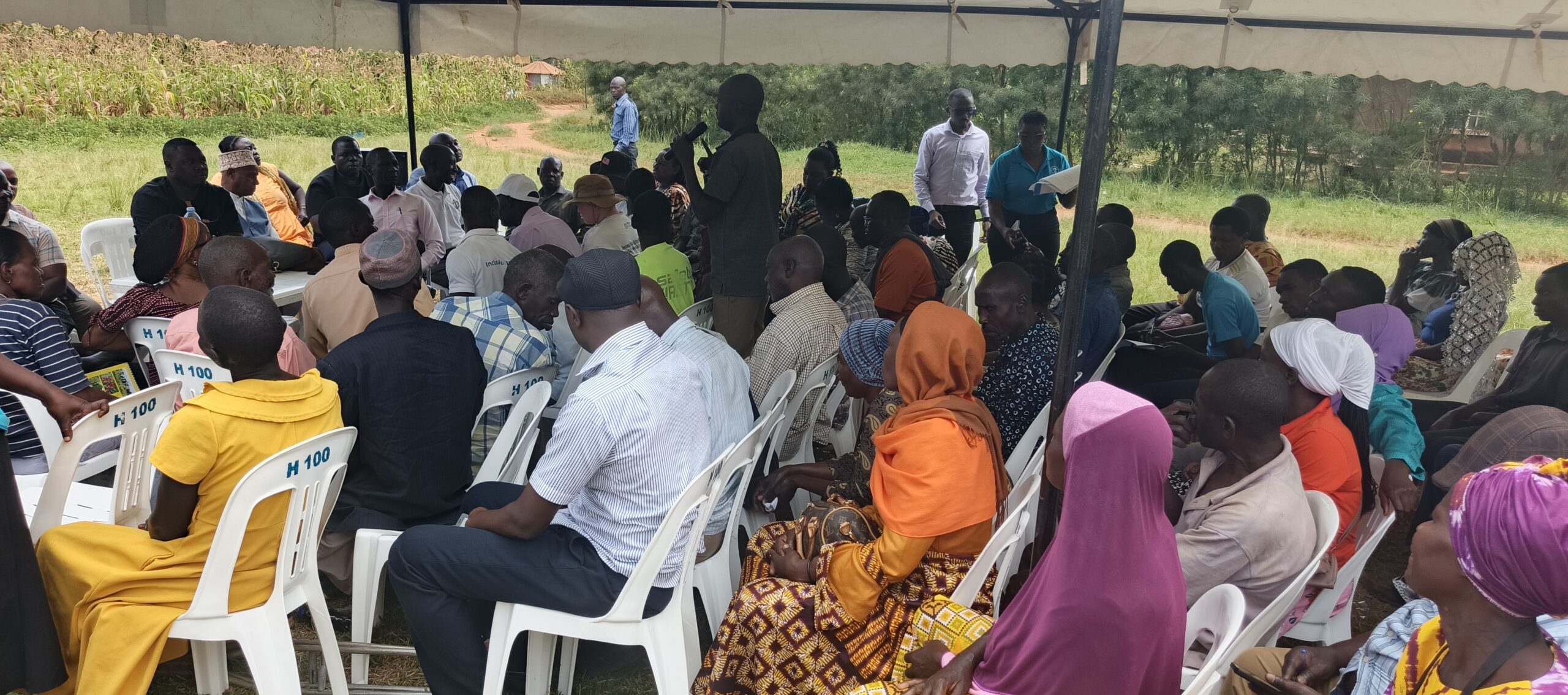
Through the National Union of Disabled Persons of Uganda (NUDIPU), the group wants the government to increase the number of affirmative action slots from the current 64 to 320 annually.
The demand is detailed in the National Disability Manifesto 2026–2031, which was popularized during a stakeholder engagement meeting in Mbale City on Friday, June 19, 2026.
Expanded University Landscape
David Nangosi, the Program Officer at NUDIPU, noted that while many students with disabilities regularly attain the required two principal passes at A-Level, hundreds miss out on higher education due to the heavily restricted quota system.
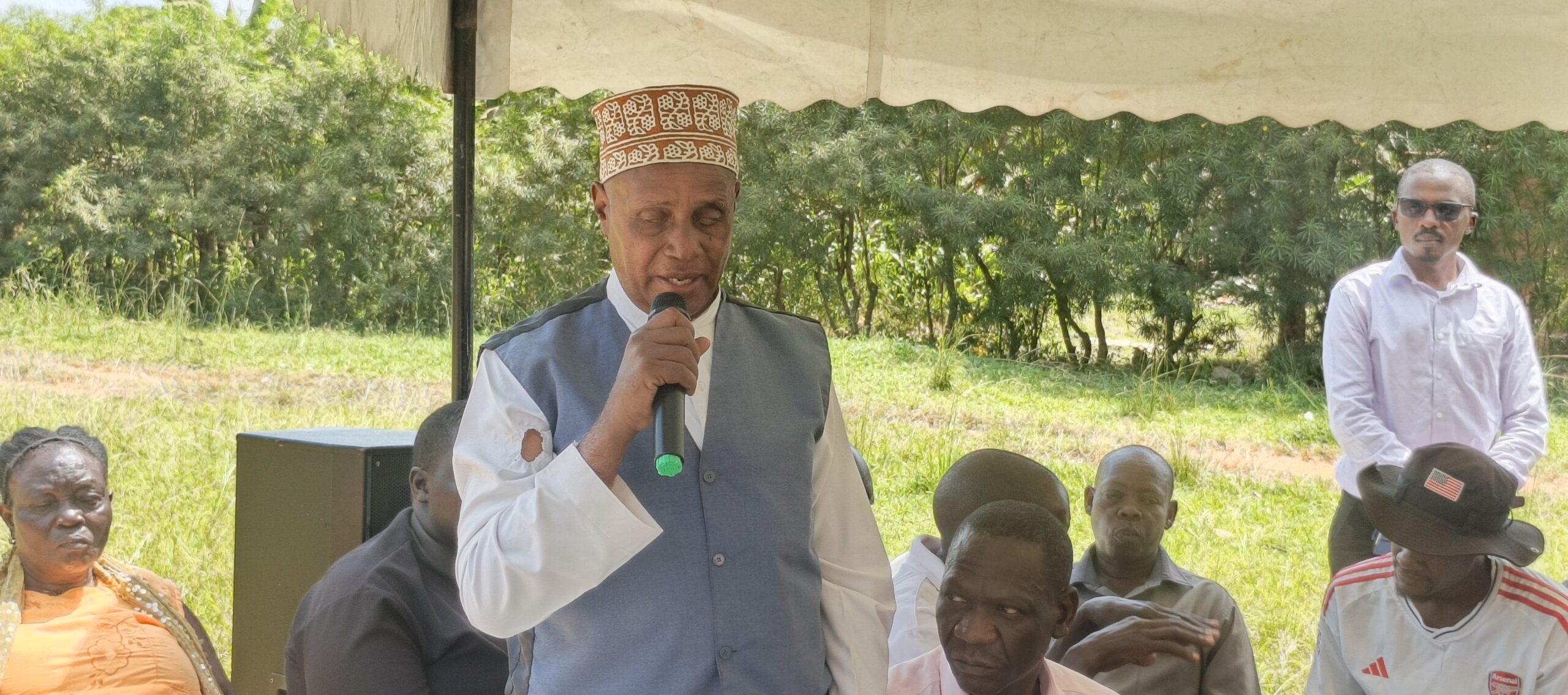
He explained that when the affirmative action policy was first introduced, it primarily targeted students entering Makerere and Kyambogo universities. However, the country’s public tertiary landscape has since expanded significantly.
Today public universities have increased to include institutions such as Gulu University, Muni University, Lira University, and others,”Mr. Nangosi said. This growth should be matched with an increase in admission opportunities for students with disabilities.
Statistical data supports the push for expanded inclusion. According to NUDIPU, Uganda’s disability prevalence rate rose from 12.4 percent in the 2014 National Population and Housing Census to 13.2 percent in the recently concluded 2024 census, signaling a clear rise in the population requiring targeted educational support.
Institutional Barriers and Dropouts
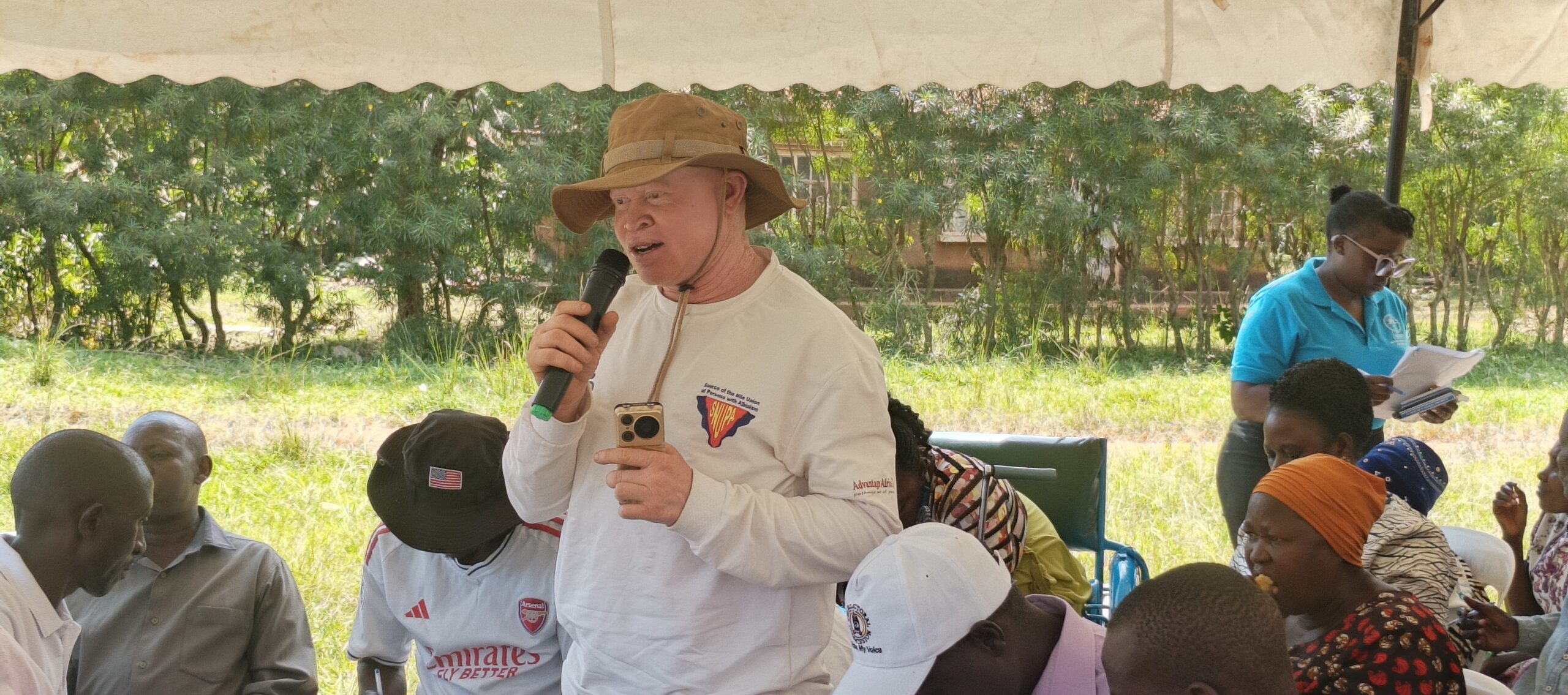
Beyond higher education admissions, the 2026–2031 manifesto outlines critical gaps within primary and secondary school frameworks. PWDs are now demanding the immediate appointment of dedicated inclusive education coordinators in all schools across the country to ensure special-needs learners receive proper guidance.
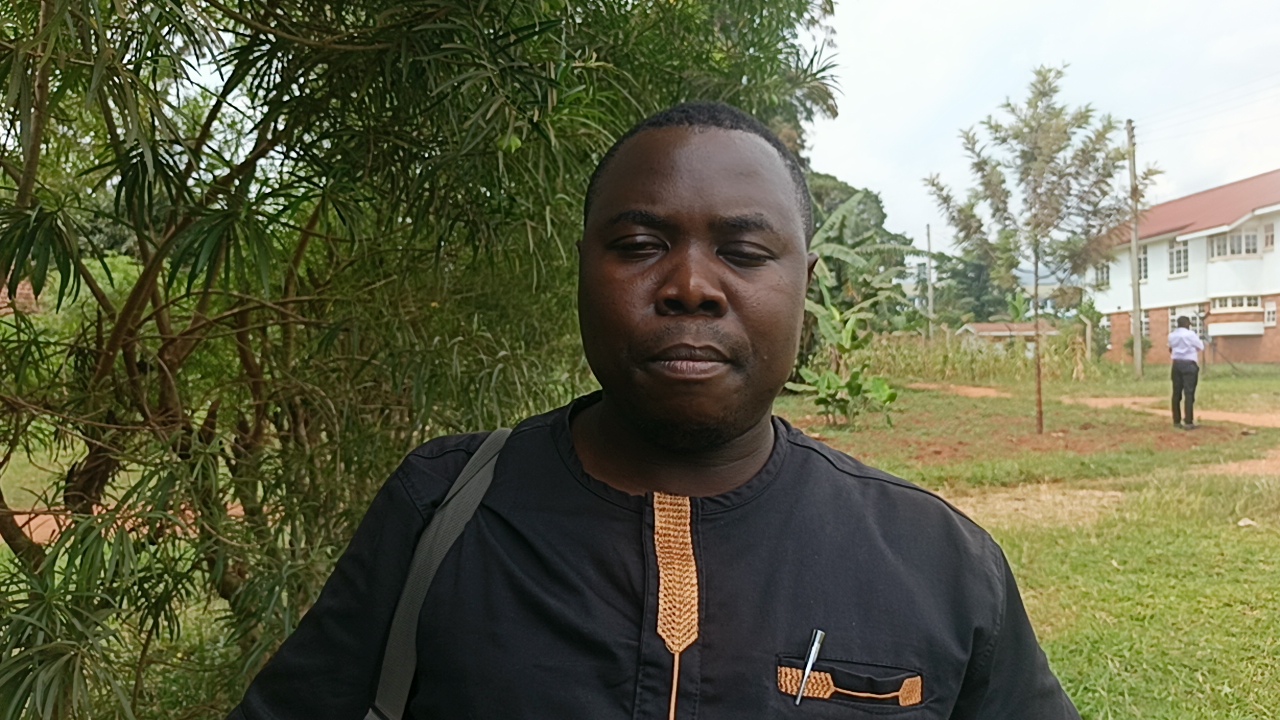
Furthermore, the group is advocating for the introduction of targeted school fee waivers. Mr. Nangosi revealed that a significant number of children with disabilities are routinely forced out of the school system due to a lack of financial safety nets.
Many children with disabilities drop out because their families cannot meet standard education costs alongside the additional expenses associated with managing their disabilities, he explained. School waivers would help retain many learners with disabilities in school and improve completion rates.
The educational reforms form a core pillar of the broader National Disability Manifesto, which outlines key structural demands for the next five years, focusing heavily on social protection, employment equity, healthcare access, justice, and fair political participation.